Choosing between Somerville and Cambridge for your first condo can feel like a coin toss. Both offer walkable squares, strong transit, and vibrant neighborhood life. You want value, convenience, and a smart long-term move. In this guide, you’ll compare condo types, HOA realities, financing options, and neighborhood vibes so you can buy with confidence. Let’s dive in.
Quick market snapshot
Cambridge typically carries a price premium over similar Somerville condos. That gap varies by neighborhood, building type, and unit size, but it is a common pattern buyers see when comparing listings. Inventory in both cities stays tight, especially for well-located 1–2 bedroom units near transit.
Demand is fueled by nearby universities and hospitals, thriving job hubs in Kendall and beyond, and high walkability. New development adds options from time to time, yet competition remains steady for updated units with good layouts and convenient locations.
Neighborhood feel and transit access
Somerville highlights
- Davis Square blends an active dining scene with local shops and a neighborhood feel. Buyers value a lively main street and quick Red Line access next door in Cambridge’s Porter Square.
- Union Square is growing fast, with new restaurants, retail, and a Green Line station that shortens commutes and opens more of the city to rail access.
- Assembly Row offers newer mixed-use living with shopping, entertainment, and direct Orange Line access nearby. If you want modern buildings and quick highway access, this area is worth a look.
- Everyday mobility is strong. Somerville’s community path network and bike routes make daily errands and commuting easier, especially when paired with the Green Line Extension.
Cambridge highlights
- Harvard and Central squares anchor classic Cambridge life with historic streets, cafes, and cultural venues.
- Kendall and Cambridgeport sit near major employers, which can reduce commute times if your job is nearby. Expect high demand here.
- Porter Square ties into the Red Line and the commuter rail, adding flexibility for regional trips.
- If location near Harvard or Kendall is a top priority, Cambridge delivers convenience that many buyers find worth the premium.
Commute and car-light living
Most neighborhoods in both cities reach downtown Boston or major job centers in roughly 15 to 30 minutes by transit, depending on route and transfers. You can plan routes and timing using the official MBTA maps and schedules. For street-by-street comparisons, use Walk Score and Transit Score to gauge daily convenience at specific addresses.
Parking is limited and often expensive in central neighborhoods. Many first-time buyers choose a car-free or single-car lifestyle. If parking matters, target listings with deeded spaces and review municipal resident permit options.
What you get for your money
Common condo types
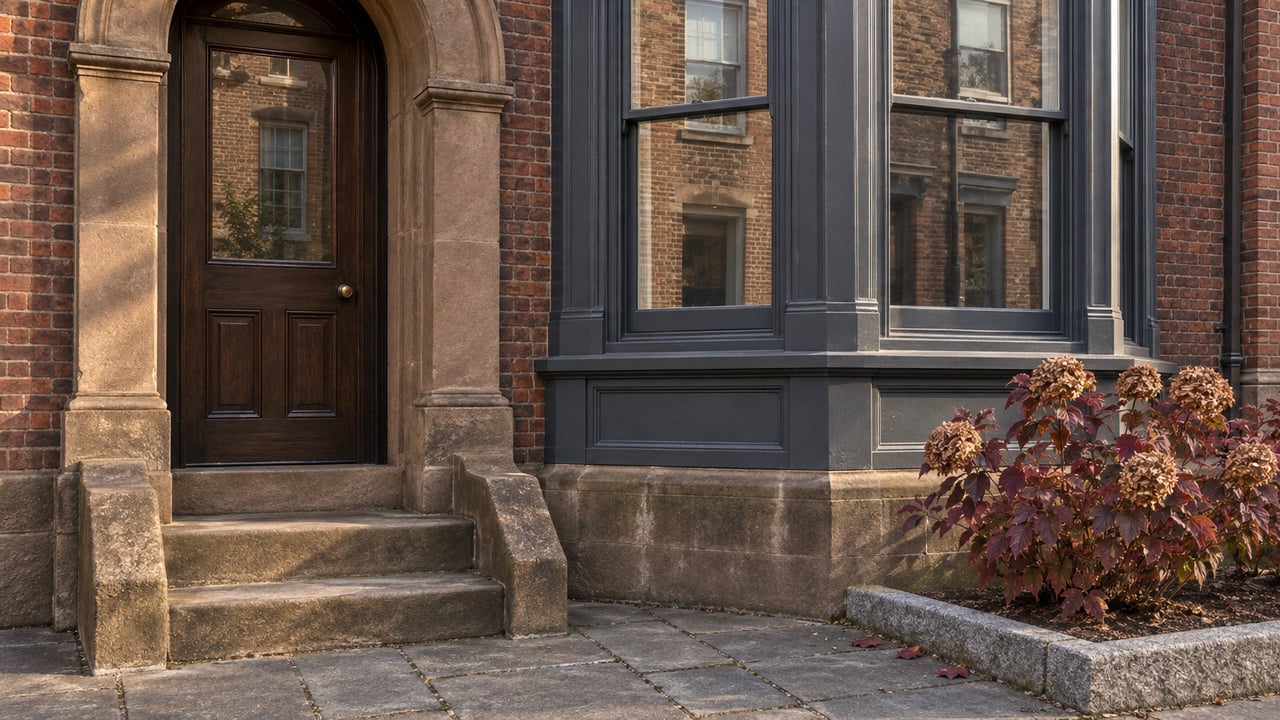
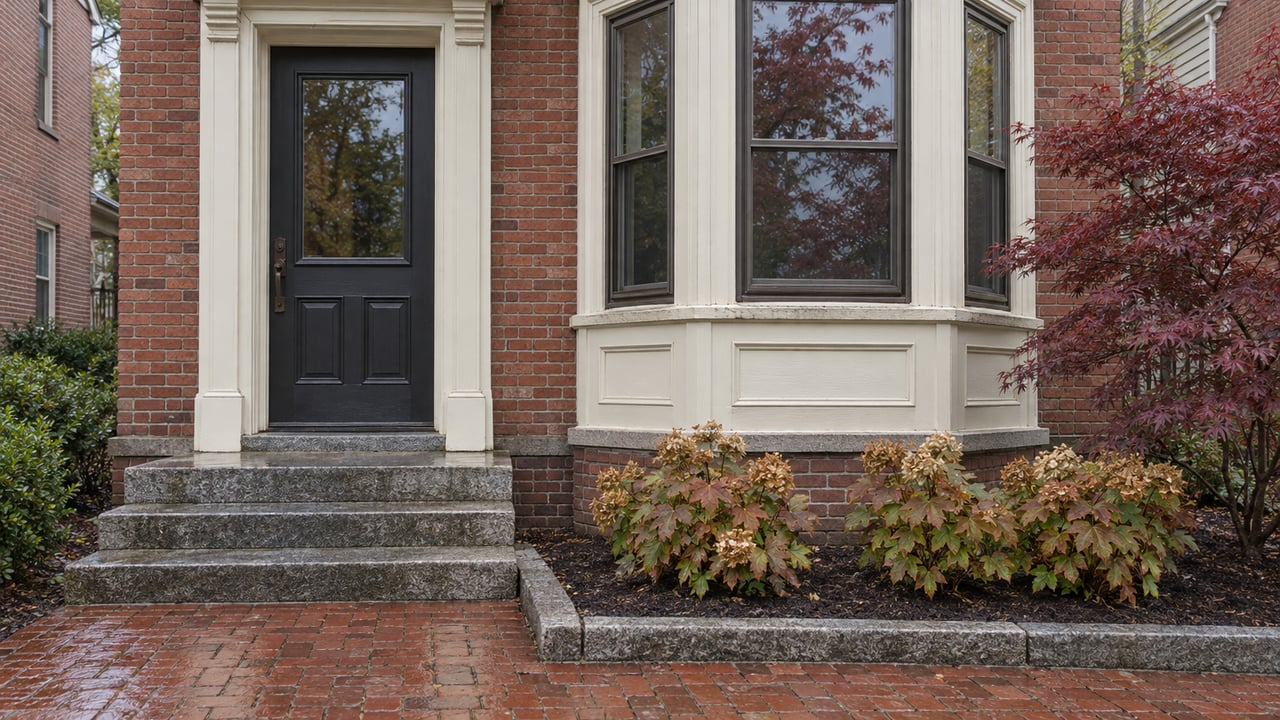
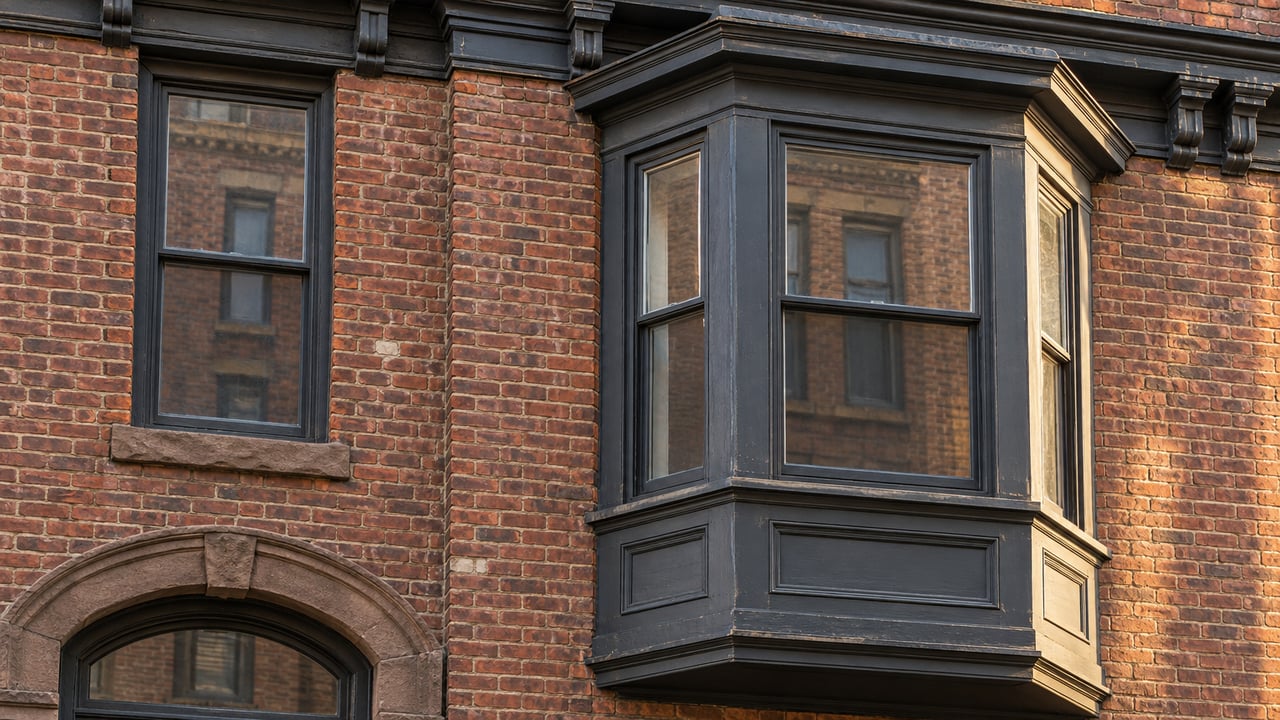
- Converted multi-family homes: Triple-deckers and Victorians are common. You might see charming features and lower HOA fees, but layouts vary and amenity lists are shorter. Check building condition, recent capital projects, and association reserves.
- Mid-century garden or brick walk-ups: Usually modest buildings with manageable fees. Units can offer practical layouts, though finishes vary widely.
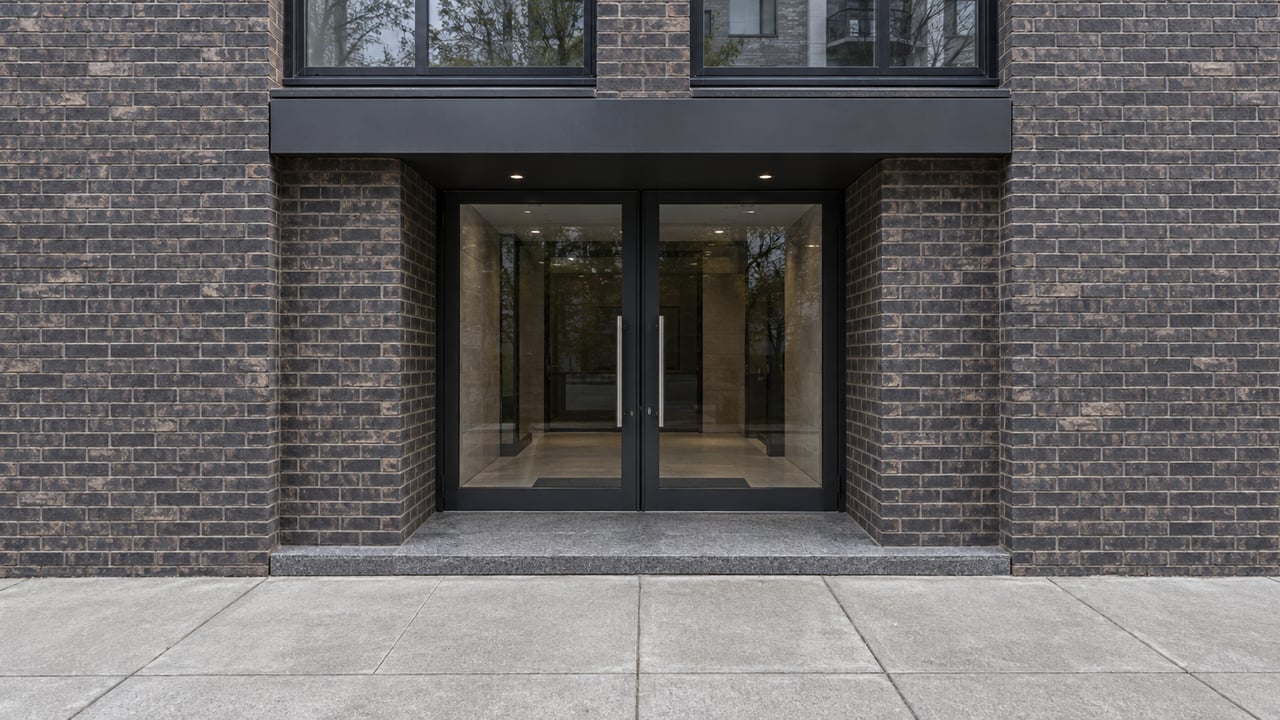
- Newer mid-rise developments: Often include elevators, gyms, roof decks, and bike rooms. Monthly fees trend higher because of staffing and amenities.
- Luxury high-rises and mixed-use: Limited in these cities but present in select areas near transit and job hubs. Expect higher purchase prices and higher monthly carrying costs.
HOA fees and what to review
Monthly condo fees range widely. Amenities, building size, staffing, and maintenance plans all affect the number. Before you commit, review the full condo packet:
- Budget, reserve study, and financial statements
- Recent meeting minutes and any special assessments
- Master insurance policy, including whether coverage is “all-in” or “bare walls”
- Pet and rental policies, plus any short-term rental rules
- Pending litigation or known building issues
If you rely on financing, remember lenders also evaluate the association’s financial health. Thin reserves or active litigation can affect loan approval.
Parking and storage
Deeded or assigned parking is a premium feature. Many listings will not include a space. Ask about shared bike storage, private storage lockers, or the chance to buy or lease parking nearby. If street parking is your plan, confirm local permit rules and any neighborhood restrictions.
Insurance and maintenance basics
Your association carries a master policy. You will need an HO-6 policy to cover your unit’s interiors, personal property, and liability. Older buildings can have higher insurance costs due to maintenance history or systems. During diligence, ask about any past water damage, roof repairs, or moisture issues that could raise risk for future assessments or premiums.
Financing and first-time help
Loan options and approvals
Conventional loans, FHA, and VA financing are all available. Government-backed loans often require that the condominium project itself be approved. Many smaller condo conversions do not appear on approval lists, which can limit your options if you plan to use FHA or VA. You can verify a property’s status through the HUD condominium lookup. If you are leaning FHA or VA, check early so you can focus on eligible buildings.
Down payments for conventional loans can start as low as 3 to 5 percent with private mortgage insurance, or you can put down 20 percent to avoid PMI. Lenders will review your debt-to-income ratio, verify the condo’s financials, and may require cash reserves.
Local buyer assistance
Both cities support first-time buyers through education and, at times, direct assistance or affordable unit lotteries. Review program details on the City of Cambridge’s Community Development Housing pages, the City of Somerville’s housing resources, and statewide platforms such as MassHousing and the Massachusetts Housing Partnership. Program eligibility changes over time, so confirm current requirements, income limits, and application windows before you start touring.
Practical checklist for your search
- Define your must-haves: commute time and mode, unit size, natural light, outdoor space, parking, pet needs, and your ceiling for monthly HOA fees.
- Calculate your true monthly cost: mortgage, taxes, HOA, unit insurance, utilities, and parking.
- Gather condo documents early: bylaws, master deed, budget, reserve study, recent minutes, and master insurance.
- Confirm financing fit: FHA/VA approvals if needed, lender comfort with the association’s reserves and rental percentage.
- Inspect with care: focus on roof age, foundation, siding, windows, common plumbing and heating systems, and signs of moisture.
- Check rules that affect use and value: rental policies, short-term rental rules, and any restrictions on improvements.
Red flags to watch
- No reserve study or minimal reserves paired with deferred maintenance
- Repeated special assessments or active litigation
- HOA minutes that note recurring leaks or structural issues
- Building not eligible for the loan type you plan to use
- High non-owner-occupancy levels that could complicate financing
- Vague or outdated condo declarations that create uncertainty
Somerville vs Cambridge: which fits you?
- Choose Somerville if you want slightly more affordability and a lively, evolving scene with strong transit options from the Green Line Extension and key bus and bike routes. You can often find a broader mix of condo types and sizes close to walkable squares.
- Choose Cambridge if your top priority is proximity to Harvard, Kendall, or core employment hubs and you are comfortable paying a premium for that convenience. You will find a wide range of buildings, from classic conversions to amenity buildings near Red Line stations.
Either way, focus on the block and the building as much as the city name. Walk the route to transit, check the noise profile at different times of day, and read the HOA documents before you fall in love with finishes.
How we help first-time buyers
Buying your first condo in a competitive market should feel clear and manageable. Our team pairs neighborhood-level guidance with a streamlined process so you can move fast and confidently. Here is what you can expect:
- Real-time listing alerts targeted to your wish list
- Honest pricing feedback and comps so you do not overpay
- Document review support and referrals to trusted attorneys and inspectors
- Strategy on HOA health, financing fit, and offer structure
- Seamless coordination from first tour to keys in hand
When you are ready to compare specific listings in Somerville and Cambridge, reach out to Moving Greater Boston for a focused, first-time buyer game plan tailored to you.
FAQs
What makes Cambridge condos more expensive than Somerville for first-time buyers?
- Location near Harvard, Kendall, and major job hubs creates high demand, which supports a price premium over similar units in many Somerville neighborhoods. Building type and exact location still drive big differences.
How do HOA fees differ across Somerville and Cambridge condos?
- Smaller conversions often have lower fees with fewer services, while newer amenity buildings carry higher fees for elevators, gyms, and staffing. Always review the budget, reserves, and recent minutes before you offer.
Can I use an FHA or VA loan to buy a condo in these cities?
- Yes, if the specific condominium project is approved. Many small conversions are not on approval lists. Check the property’s status on the HUD condo lookup tool early in your search.
What local programs can help first-time buyers with down payment or education?
- Look into the City of Cambridge’s Community Development Housing pages, statewide options through MassHousing, and the Massachusetts Housing Partnership. Somerville also provides homebuyer resources through its housing offices.
How long might my commute take without a car in these areas?
- Many neighborhoods reach downtown Boston or nearby job centers in roughly 15 to 30 minutes by transit, depending on the route. Use official MBTA maps and schedules to plan your door-to-door timing.
What documents should I request before making an offer on a condo?
- Ask for the condo bylaws, master deed, budget, reserve study, master insurance, recent meeting minutes, and details on any special assessments or pending litigation. These documents show financial health and risk.