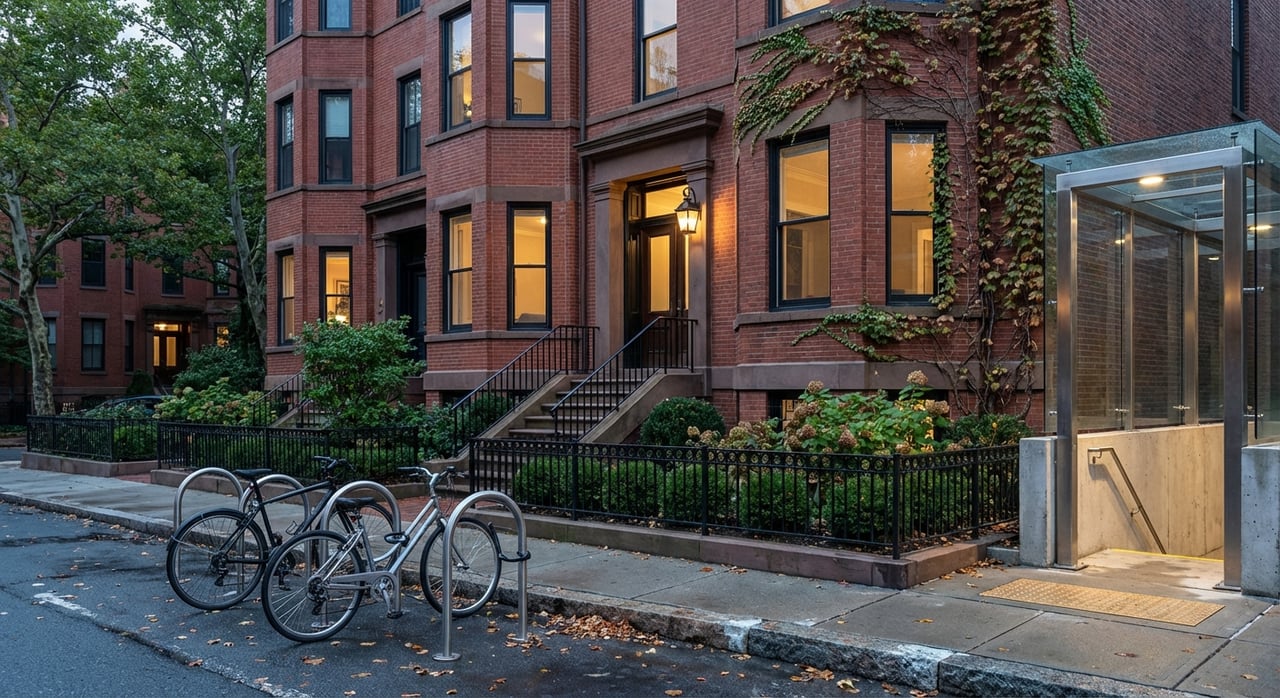
What if your next Cambridge condo let you skip a car and keep over $11,000 a year in your pocket? You are not alone if you are wondering whether that is realistic or just wishful thinking. In Cambridge, a car-free lifestyle is not only possible, it is practical when you choose the right building and location. This guide shows you how day-to-day life actually works, what to look for in listings, which neighborhoods fit, and how to budget confidently. Let’s dive in.
Is car-free living realistic in Cambridge?
Yes. Cambridge is built for non-car travel. The city highlights multiple MBTA subway stations on the Red and Green lines, 27 MBTA bus routes, and a nearby commuter rail connection, with planning that centers walking, biking, and transit access. Many residents already use transit as a primary commute mode, which means the systems you need are in place. You can review the city’s overview of options on its transit page to see how the network fits your routine.
According to AAA’s 2025 Your Driving Costs, the average annual cost to own and operate a new car is about $11,577. When you compare that to a mix of transit, bike share, and the occasional carshare, you can redirect a meaningful amount of your budget into your housing or savings.
If you still expect occasional on-street parking for guests or rare car days, Cambridge uses a resident permit system with clear fees, visitor rules, and limits. Knowing those details helps you plan for exceptions while living primarily car-free.
The mobility network you will use
MBTA Red Line and buses
For most Cambridge commutes, the Red Line is the backbone. Alewife, Porter, Harvard, Central, and Kendall/MIT stations provide the fastest cross-river trips into central Boston, supported by frequent bus routes and some employer shuttles. Proximity to a Red Line stop or a frequent bus corridor is the single most reliable predictor of a quick, car-free commute.
Service maintenance happens, especially on weekends or overnight. Cambridge posts closure notices and resources when the Red Line has planned work. If your job requires a specific connection, check advisories before you buy so you know what occasional shuttle substitutions look like.
Biking, paths, and Bluebikes
Cambridge has growing protected bike lanes and off-street paths that make medium-distance trips comfortable. The Minuteman Bikeway connects to Alewife, giving you a long, car-free route for errands and recreation. For short trips and first or last mile connections, Bluebikes docks are common across the city, and recent investments are expanding e-bike capacity and electrified docks. If you ride often, a membership is usually more cost-effective than paying per ride.
Carshare and rideshare when you need them
You can rent a car only when you need it. Carsharing, like Zipcar, has deep roots in Cambridge, and peer-to-peer options add flexibility for longer errands or weekend getaways. Rideshare services are widely available regionally, which makes second-car ownership unnecessary for most households.
What daily life actually looks like
Commute routine
Most days, you will walk 5 to 15 minutes to a Red Line station or a frequent bus, or pick up a Bluebikes nearby, then transfer if needed. That pattern covers many job centers in Boston and Cambridge. If you are hybrid, you will likely rely more on biking and walking on non-office days.
Groceries, errands, and packages
Shops and supermarkets cluster around Harvard, Central, Porter, and Kendall, so weekly errands are often a short walk or bike ride. For bulk trips, you can book a Zipcar for two hours, use a delivery app, or schedule a small moving service. In buildings geared to car-light living, package rooms, secure lockers, and reliable access control are big quality-of-life perks.
Winter and weather
Snow and ice can slow biking, so you may lean more on transit in January and February. Look for buildings with secure indoor bike rooms and, ideally, e-bike charging. Expect to plan a few rental-car days each winter for special errands when conditions are tough.
What to check in a listing if parking is not a priority
- Transit proximity and service
- Ask the exact walking time to the nearest Red or Green Line station and to a frequent bus. If you rely on the Red Line, ask about any planned maintenance that could affect your typical hours.
- Bike readiness
- Confirm secure indoor bike parking, whether spaces are assigned or first-come, and if there is e-bike charging. Many new projects include long-term bike parking by design, so verify what the building offers.
- Package and entry logistics
- Look for a staffed lobby or package room, a freight elevator you can reserve on moving day, and a clear process for curbside loading or moving permits.
- Parking details, if present
- Clarify whether parking is deeded, deeded but sold separately, assigned, or rented monthly. If a listing says “parking available,” request the exact legal description in the condo documents.
- HOA and building rules
- Review guest parking policies, rules for carshare vehicles, bike storage rules, and any special assessments tied to garage maintenance.
- Transportation Demand Management perks
- Newer developments may include TDM measures such as subsidized transit passes, Bluebikes memberships, on-site Zipcar pods, or bike valet. Ask what is offered and whether it is ongoing or time-limited.
- Guest parking and permits
- If you will host visitors who drive, understand how Cambridge visitor permits work and whether your address is in a permit zone.
Costs and tradeoffs to weigh
- The car alternative: AAA estimates about $11,577 per year to own and operate a new car at 15,000 miles. For many buyers, replacing that with transit passes, a Bluebikes membership, and a few carshare rentals can lower total monthly costs.
- Bluebikes strategy: If you ride often, a membership is typically cheaper than paying per unlock and per minute. Employers or cities sometimes offer short-term promotions during service changes, which can trim costs further.
- Carshare planning: Hourly or daily rates let you budget for an occasional IKEA run, day trip, or appointment-heavy day without owning a vehicle full-time.
- Parking and resale: Deeded parking often adds value, but the premium varies by building and block. Ask us to pull recent MLS comps to quantify the impact for your target building.
- Development trend: Cambridge’s reviews increasingly emphasize parking maximums and TDM, which can tighten supply of deeded parking in new condos and support higher prices for existing stalls over time.
Neighborhood quick takes
Harvard Square
Dense retail and strong Red Line access make daily errands and commutes simple. If you can walk about 10 minutes or less to the Red Line, you can reliably live car-free for many work trips. Expect active sidewalks and frequent Bluebikes docks for short hops.
Central Square
A balanced mix of Red Line access, buses, and bike lanes keeps trips short. Restaurants, shops, and services cluster on Massachusetts Avenue, so your weekday errands can fit between meetings without a car.
Kendall and East Cambridge
Ideal if you work in Kendall or nearby labs and offices. You will find strong Bluebikes coverage and quick Red Line rides to downtown. Employer shuttles in the area can add a convenient backup on busy days.
Porter and Inman Squares
Both offer walkable streets and good bike connections. Porter adds the Red Line and commuter rail nearby, which helps if your routine includes occasional regional trips without a car.
A simple weekly rhythm without a car
- Monday to Thursday: Walk to the Red Line, take two stops, and arrive on time. Small errands happen on foot after work.
- Friday: Grab a Bluebikes for a quick ride to dinner or a show.
- Saturday: Book a Zipcar for two hours to handle bulk shopping or a furniture pickup.
- Sunday: Stroll to a local market and reset for the week.
Ready to find the right Cambridge condo?
If a car-free lifestyle fits your goals, the right building and block make all the difference. Our team pairs neighborhood-level insight with fast, data-driven search to help you evaluate transit access, bike readiness, TDM perks, and long-term resale value. Start your search with Moving Greater Boston and we will guide you every step of the way.
FAQs
Is car-free condo living realistic year-round in Cambridge?
- Yes. The city plans around transit, biking, and walking, and many residents already commute by MBTA, with Bluebikes and protected paths filling gaps in all seasons.
How do MBTA disruptions affect a car-free commute in Cambridge?
- Planned Red Line work happens at times, often with shuttles; Cambridge posts closure notices so you can plan around temporary changes.
What should I budget instead of a car if I go car-free?
- Use AAA’s ~$11,577 annual car cost as a comparison point, then price a transit pass, a Bluebikes membership if you ride often, and a few carshare rentals per month.
How do guests park if my building has no deeded spot?
- Cambridge has resident and visitor permit rules with defined fees and limits; review them before hosting so you know the process and zone.
Which Cambridge neighborhoods work best for car-free living if I work in Kendall or downtown Boston?
- Homes within a short walk to Red Line stations like Kendall/MIT, Central, Harvard, or Porter will offer the most reliable car-free commute to Kendall and downtown.