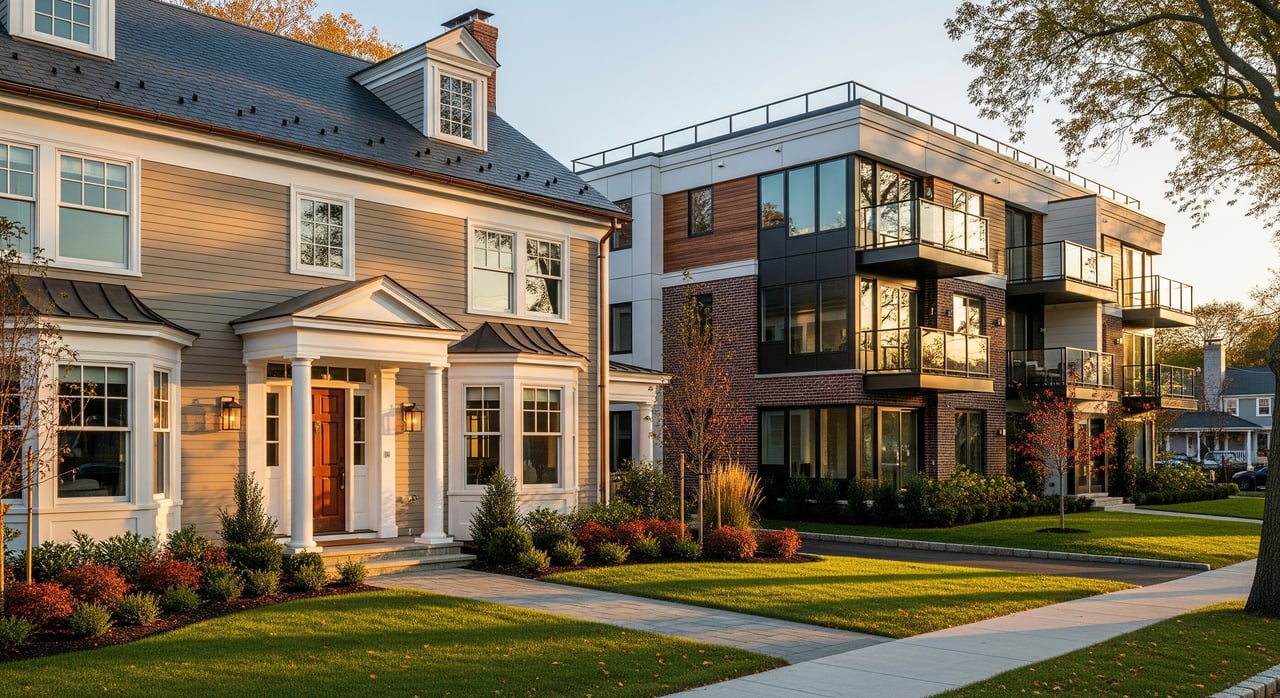
Trying to decide between a single-family home and a condo in Medford? You are not alone. Many Boston condo owners look to Medford for more space, a manageable commute, and a neighborhood feel without getting too far from the city. In this guide, you will see how each option stacks up on price, space, commute, maintenance, and long-term flexibility, plus a simple framework to help you choose with confidence. Let’s dive in.
Medford at a glance: single-family vs condo
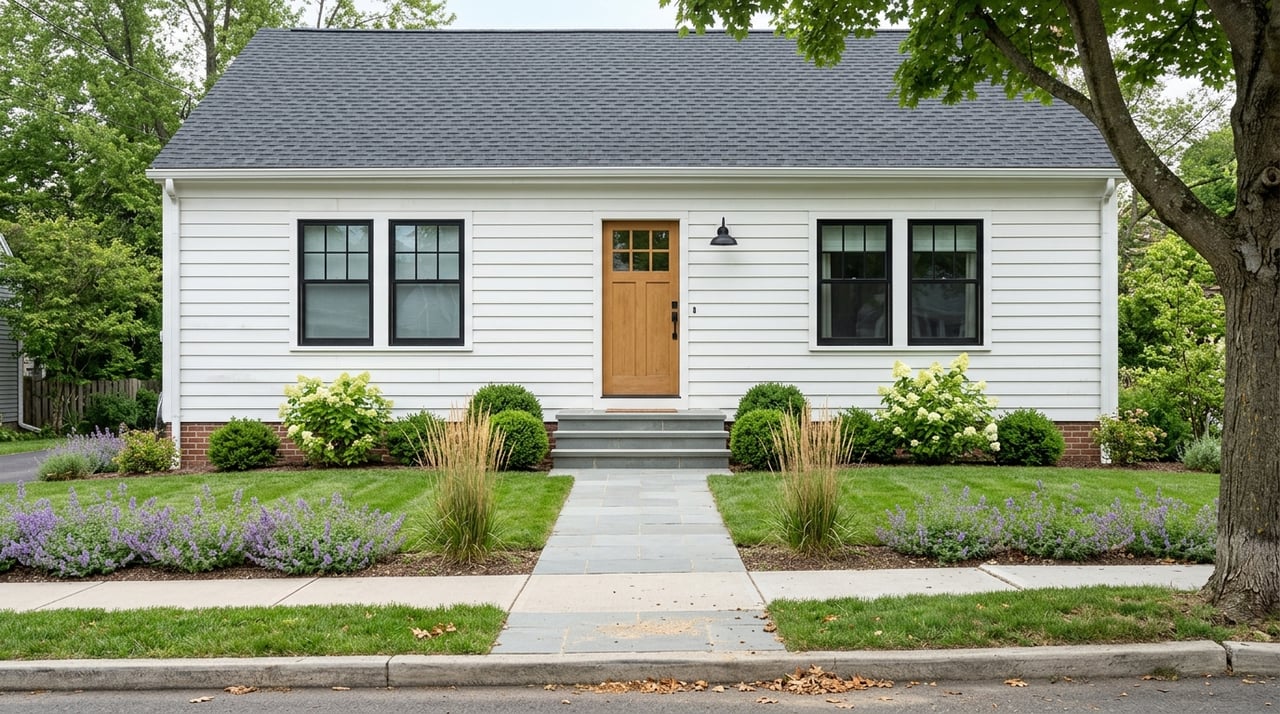
If you want the most space and private outdoor area, a single-family home usually delivers more than a condo at a similar budget. This is because land and private yards carry a premium in inner-suburban Boston communities. Condos are typically the more affordable entry point and are often closer to transit and local shops. Your decision comes down to three priorities: budget, commute, and how much hands-on maintenance you want.
Quick take:
- Single-family homes: more square footage, yard, and autonomy over your property.
- Condos: lower entry cost, less day-to-day maintenance, and often better transit access.
- Middle ground: owner-occupied multi-family homes can blend space with potential rental income.
Where you will find each option
Condo hotspots
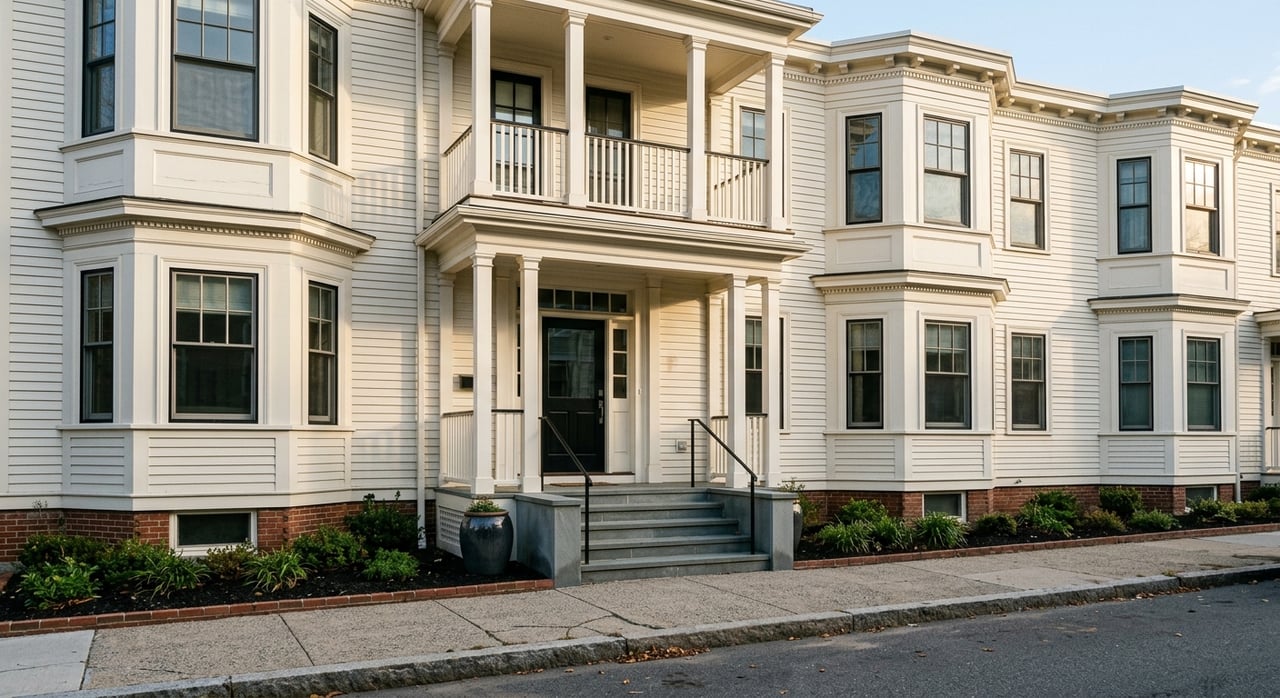
- Tufts-area and College Avenue: You will find many condos and townhouse conversions near Tufts University and the Green Line Extension stations. This area is walkable and popular with commuters who want easy subway access.
- Medford Square and the Main Street corridor: Look for mixed-use buildings and conversions close to shopping, restaurants, and several bus routes.
- Magoun Square and near Broadway: A mix of multi-family buildings and condo conversions, with proximity to the Somerville line and connections to Assembly Row.
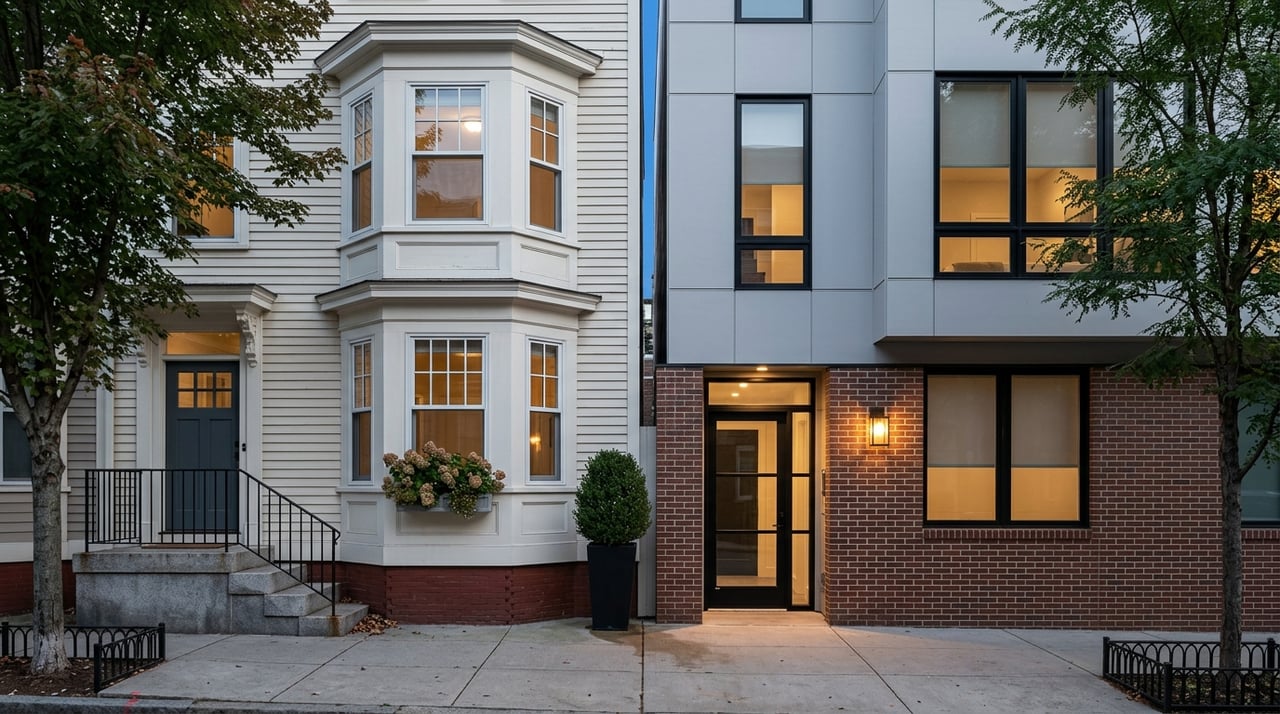
- Newer infill near transit: Smaller developments and elevator buildings tend to cluster along key corridors and around commercial centers.
Single-family neighborhoods
- West Medford: Tree-lined streets and larger lots are common, and the West Medford commuter rail station provides another transit option.
- South Medford and Mystic River-adjacent areas: You can find single-family parcels with more private outdoor space and established streetscapes.
- Near the Middlesex Fells Reservation: Northern Medford offers access to expansive parkland with many single-family homes nearby.
Multi-family as a practical alternative
Medford has many two- and three-family homes throughout the city. If you want extra space plus potential rental income, an owner-occupied multi-family can bridge the gap between condo and single-family ownership. Make sure you understand local landlord-tenant rules, licensing, and zoning before moving forward.
Commute and transportation tradeoffs
Transit access
The Green Line Extension has made a big difference for parts of Medford near Tufts and College Avenue. Condos tend to cluster around these stations, which shortens trips into Boston for many commuters. West Medford’s commuter rail station offers another rail option. Several MBTA bus routes connect neighborhoods to the Orange Line, commuter rail hubs, and Assembly Row.
If you rely on transit, living near a Green Line Extension stop or along strong bus corridors can be a key decision factor. Condo options near these nodes will usually be easier to find than single-family homes.
Driving realities
If you choose a larger single-family home farther from transit, plan for a car-dependent or mixed-mode commute. Travel times to downtown Boston vary by time of day, and proximity to I-93, Route 16, and local arterials matters. Parking is typically simpler with single-family homes that include driveways or garages, while condos may offer assigned spaces or shared parking.
Space, maintenance, and lifestyle
Interior space and layout
Single-family homes often include multiple floors, basements or attics, and more layout flexibility. Depending on local zoning, you may have options for additions or accessory dwelling units. Condos usually provide efficient layouts and recent renovations but are smaller in total square footage at the same price point.
Outdoor space, parking, and storage
- Single-family: private yards, driveways, and garages are common. Great if you want room for pets, play, gardening, or gear.
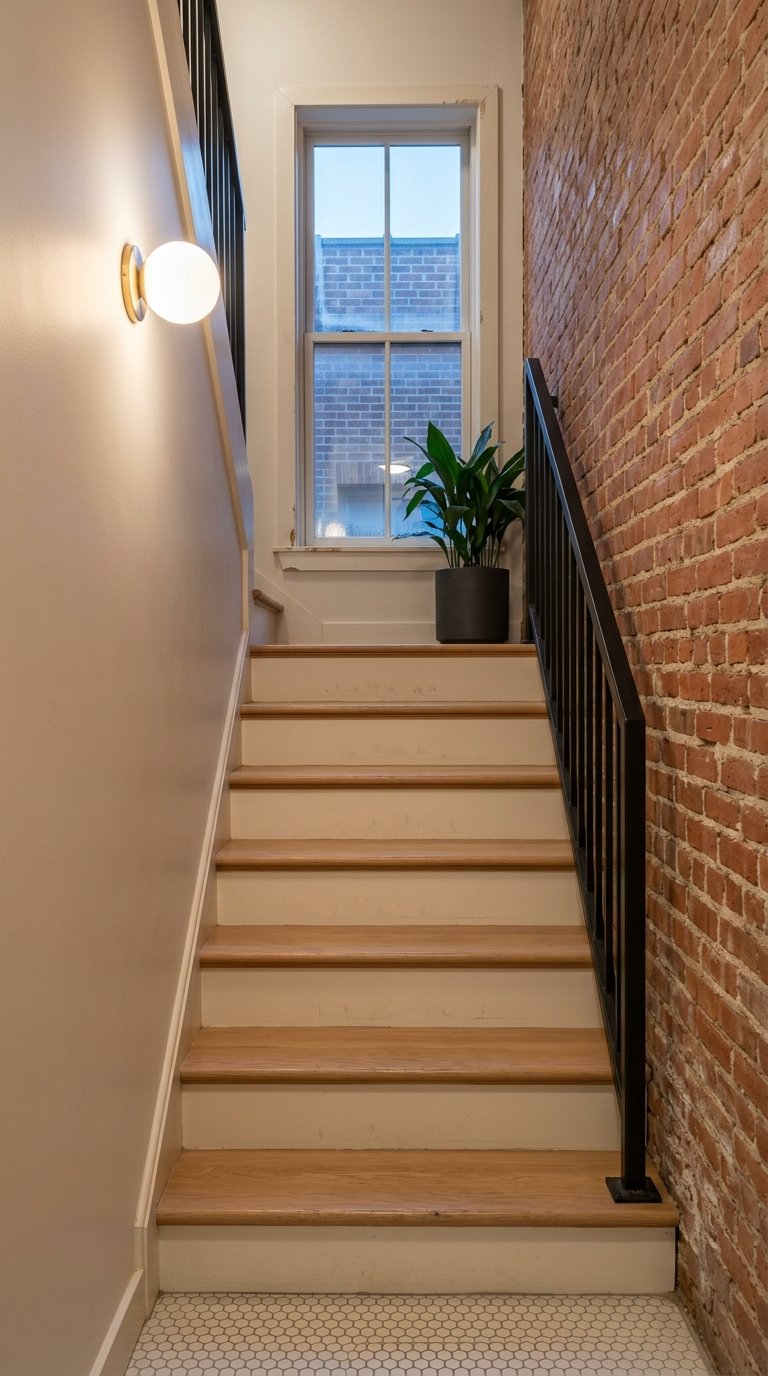
- Condos: outdoor areas may be shared, such as courtyards or rooftop decks. Some buildings include assigned parking, but there is typically less private land.
Maintenance and your time
- Single-family: you are responsible for all systems, exterior upkeep, landscaping, and snow removal. Expect a time commitment or a contractor budget.
- Condos: the HOA handles exterior maintenance and common areas. You pay a monthly fee that can include certain utilities, master insurance, reserves, and amenities. Fees vary, so review what is covered and whether there is a history of special assessments.
Financial and lending considerations
Total cost of ownership
Your monthly housing cost includes the mortgage payment, property taxes, insurance, and either maintenance reserves for a house or HOA dues for a condo. Compare apples to apples by adding these items together. For condos, ask for the latest HOA budget, reserve study, master insurance details, and any ongoing or planned assessments.
Financing differences for condos
Lenders review condominium associations differently than single-family properties. Some loan programs require project approval or certain reserve and insurance standards. HOA dues can affect your debt-to-income ratio. If you plan to use FHA or VA financing, verify whether the association meets program requirements and ask how lenders will treat the monthly dues.
Taxes and insurance
Property tax bills depend on the city’s tax rate and your assessed value. You can confirm current rates and comparable assessments with the City of Medford Assessor’s Office. Condo insurance (HO-6) usually covers your unit’s interior finishes and personal property, while the master policy covers common elements. For single-family homes, you carry full homeowner’s insurance for the structure and contents.
Resale and liquidity
Condos often appeal to first-time buyers, downsizers, and some investors, which can support faster resale in certain markets. In a softer market, a surge of small condos can pressure prices. Single-family homes tend to attract a broad pool of buyers seeking space and yards, which can support long-term value stability, though the upfront price is higher and liquidity can vary in down cycles.
Local rules and risk checks
Zoning and permitting will influence your ability to add on, create an accessory dwelling unit, or convert a property. Some parts of Medford may have historic or preservation considerations that affect exterior changes. If you are near the Mystic River or wetlands, review floodplain maps and insurance needs before you buy.
How to compare options in real life
Follow this step-by-step checklist to keep decisions clear and grounded:
Define non-negotiables. List the minimum bedrooms and baths, required yard or garage, maximum commute time, and any school assignment needs. Keep this list short and firm.
Set a total monthly budget. Include mortgage, property taxes, insurance, and either HOA dues or a maintenance reserve for single-family upkeep.
Pull current comps and inventory. Compare recent single-family and condo sales in Medford to see how much square footage you can afford in each category. Look at days on market and months of supply to gauge competition.
Map your commute. Check transit times from likely addresses near the Green Line Extension and West Medford station. Test drive times for morning and evening peaks from each neighborhood you are considering.
Review ownership costs. For condos, request HOA budgets, reserve studies, master insurance details, and rules about rentals and pets. For single-family homes, gather utility bills, typical contractor costs for major systems, and property tax records.
Speak with a lender. Get pre-qualified for both property types. Ask how HOA dues and potential rental income from a multi-family would affect your approval.
Plan for resale and flexibility. Consider how each option fits your future plans, including room for a home office, growth, aging in place, or potential rental strategies. Think about buyer demand for your property type in Medford over time.
Score your options. Create a simple matrix with must-haves, nice-to-haves, and deal-breakers. Score a condo, a single-family, and an owner-occupied multi-family to see which best matches your priorities.
Red flags and tradeoffs to watch
- HOA health: Watch for low reserves, deferred maintenance, frequent special assessments, or unclear financials. Read meeting minutes before you commit.
- Supply sensitivity: Condo markets can shift more with changes in mortgage rates and investor demand. Single-family homes may be steadier but require a larger upfront investment.
- Renovation limits: Zoning, lot coverage rules, and historic considerations can impact expansion or exterior work. Verify early with the planning and building departments.
- Natural hazards: If you are near the Mystic River or wetland areas, confirm floodplain status and related insurance requirements.
- School assignment verification: If schools are part of your plan, confirm current assignment maps and metrics through official district and state sources.
Real-world scenarios to guide you
Transit-first buyer
If you depend on the T and want to minimize commute time, a condo or townhouse-style unit near the Green Line Extension or strong bus corridors will likely serve you best. You will trade some private outdoor space for convenience and predictable transit access. Focus on HOA health and noise considerations, then compare dues to what exterior maintenance would cost on a house.
Space-seeking upsizer
If space and a yard top your list, a single-family in West Medford, South Medford, or near the Fells may fit. Expect more responsibility for systems and exterior work. Budget for seasonal maintenance and set aside reserves for roof, HVAC, and other big-ticket items.
Owner-occupant investor
If you want both space and help offsetting costs, consider an owner-occupied two- or three-family. You can live in one unit and rent the others, subject to local rules. Talk to your lender about how projected rental income could be used in qualification and review licensing and zoning requirements.
How Moving Greater Boston can help
You should not have to juggle numbers, commute maps, and condo documents alone. Our team pairs neighborhood-level insight with a data-first approach to help you compare Medford single-family homes, condos, and multi-family options side by side. We can pull current medians and comps, pressure test your commute windows, and review key HOA and property documents so you can decide with clarity.
If you are upsizing from a Boston condo, we can also coordinate the sale of your current home and the purchase of your next one to streamline timing and reduce stress. When you are ready to explore, reach out to Moving Greater Boston for a focused, step-by-step plan.
FAQs
Will I get more space moving from a Boston condo to Medford?
- Usually yes. Single-family homes in Medford tend to offer more living area and private outdoor space than similarly priced condos, though larger townhouse-style condos can narrow that gap.
Is a condo better if I rely on public transit?
- Often yes. Condos near Green Line Extension stations or strong bus corridors typically offer the shortest, most reliable transit commutes compared with single-family neighborhoods farther from rail.
How do HOA fees compare to house maintenance costs?
- HOA dues replace some hands-on tasks like exterior upkeep and snow removal, but they are a recurring cost that can change. For houses, plan for variable maintenance expenses and set aside reserves for larger repairs.
Are there financing pitfalls specific to condos?
- There can be. Some loan programs require condo project approval, adequate reserves, and specific insurance coverage. Ask your lender how HOA dues and association health affect your qualification.
Is buying a multi-family common in Medford?
- Yes. Many buyers choose owner-occupied two- or three-family homes for added space and potential rental income. Review local landlord-tenant rules, licensing, and zoning before you buy.