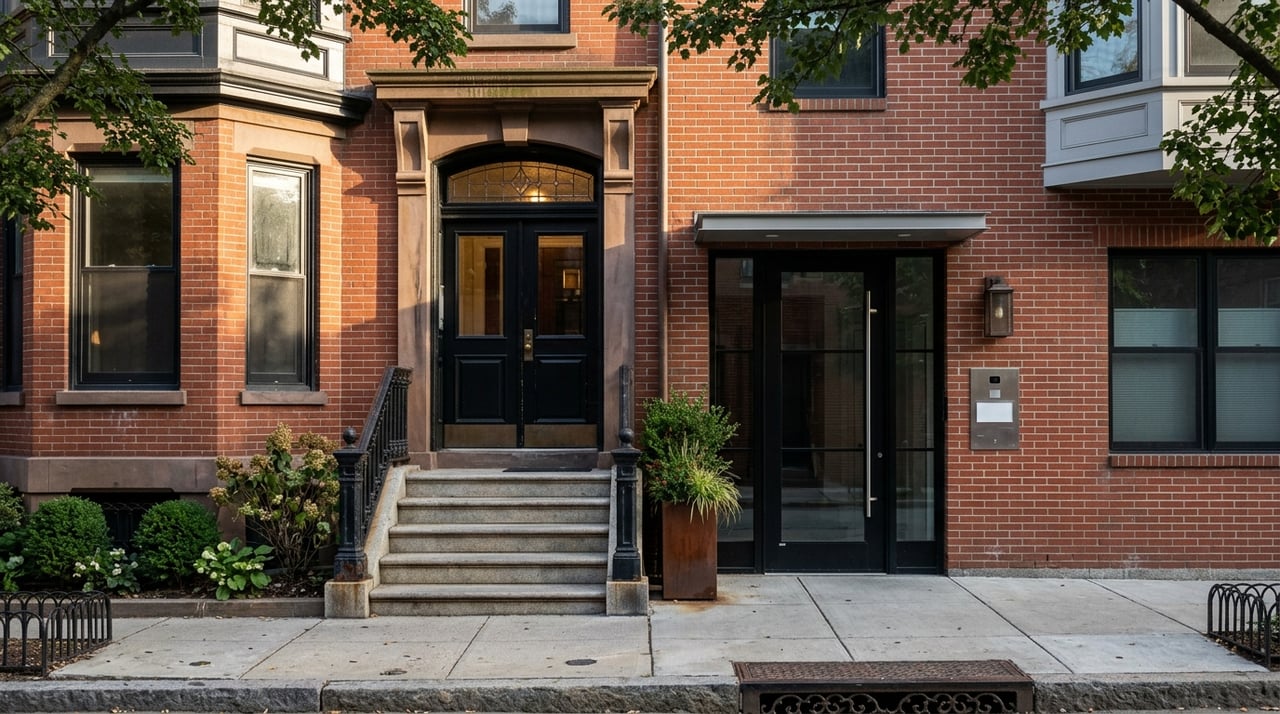
Trying to choose between a Charlestown rowhouse and a condo? You are not alone. In a neighborhood where historic homes, updated interiors, and competitive pricing all show up in the same search results, the right answer often comes down to how you want to live and what you actually own. This guide will help you compare ownership structure, maintenance, outdoor space, parking, and resale factors so you can make a smarter Boston real estate move. Let’s dive in.
Why this choice is tricky in Charlestown
Charlestown has a distinct housing mix shaped by its historic building stock. According to Boston planning materials, the Original Peninsula includes a mostly historic rowhouse-style district of 3-story clapboard, wood, and masonry homes, and parts of the neighborhood are protected by design rules meant to preserve scale, pedestrian character, and historic buildings.
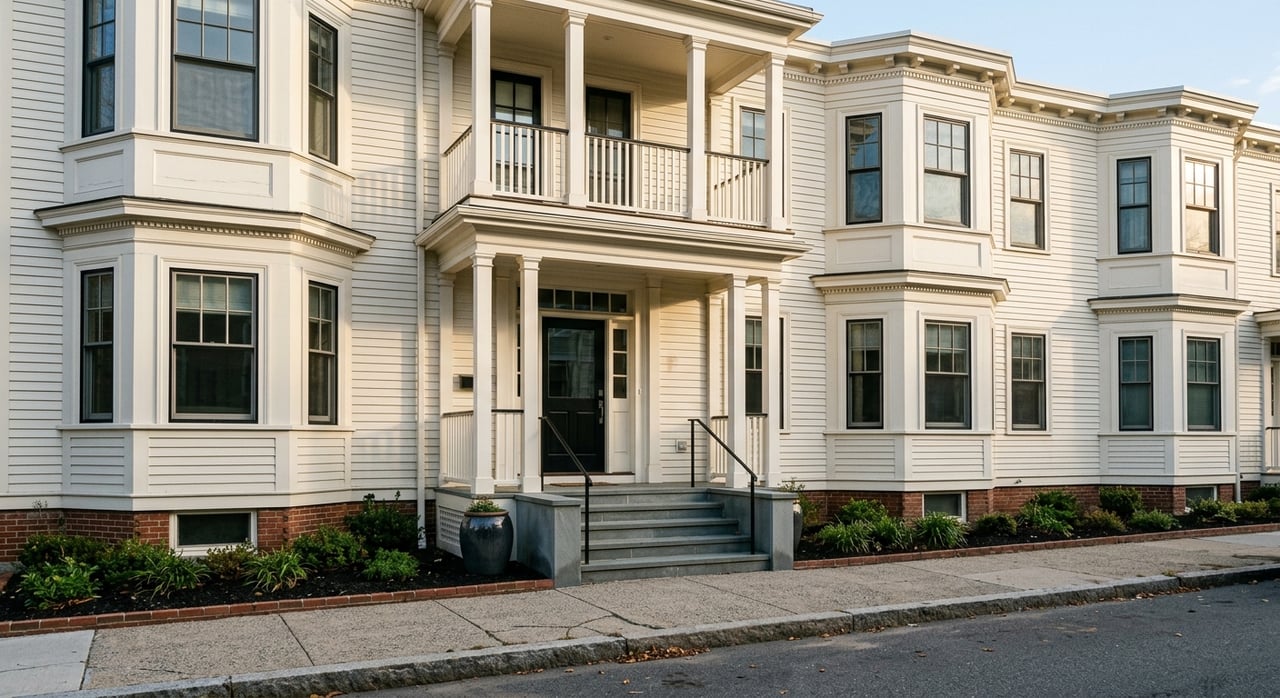
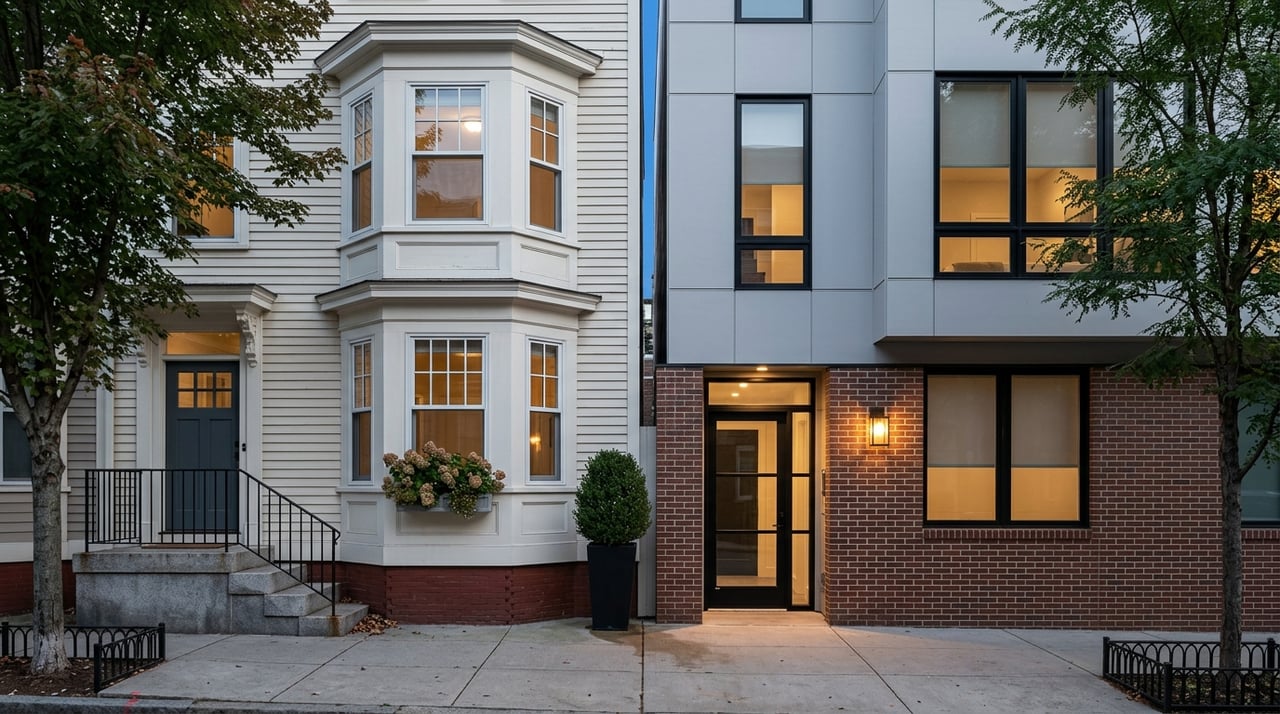
That matters because a home that looks like a classic rowhouse from the street may not be a single-family home at all. In Charlestown, you may be comparing a true rowhouse to a condo inside a rowhouse, and those are two very different ownership experiences.
Rowhouse vs condo basics
Before you compare price, layout, or finishes, start with the legal structure. In Charlestown, the bigger question is often not architecture versus architecture. It is ownership structure versus lifestyle.
What a rowhouse usually means
A rowhouse usually refers to the building style: a narrow attached home that shares side walls with neighboring properties. In practical terms, buyers often use “rowhouse” to mean a single-family home where you own the entire structure and lot, subject to any local rules or historic restrictions that may apply.
If you own the whole property, you are typically the one making decisions about maintenance, repairs, and upgrades. That can give you more control, but it also means more direct responsibility.
What a condo means
A condo is a legal ownership structure. Under Massachusetts condominium law, condo owners have individual ownership of their unit while sharing ownership and expenses for common areas and facilities such as roofs, party walls, yards, gardens, parking areas, and storage spaces.
That shared structure can make day-to-day ownership simpler, but it also means you need to understand exactly what is common, what is limited common, and what is truly part of your unit.
Why the listing photos can mislead you
In Charlestown, the exterior does not always tell you what you are buying. A good example is 56 High St #1, which Redfin labels as a rowhouse structure type but a condominium property subtype, with a monthly HOA fee, roof deck, renovation history, and on-street parking.
That kind of listing is common enough that you should never assume ownership type based on curb appeal alone. A classic brick or clapboard rowhouse facade may hide a two-unit or three-unit condo setup, and that changes your costs, responsibilities, and resale story.
How ownership changes your day-to-day life
The rowhouse-versus-condo decision gets clearer when you think about daily ownership, not just purchase price.
Maintenance responsibility
With a rowhouse, you are generally responsible for the roof, exterior masonry or siding, systems, and major repairs. That can be appealing if you want control over timing and materials, especially in a historic property where details matter.
With a condo, shared items are often handled collectively. Under Massachusetts law, common expenses can include administration, maintenance, repair, and replacement of shared areas. That may reduce your direct workload, but it also means you should review condo documents closely before you buy.
Monthly costs
A rowhouse may not have HOA fees, but that does not mean it is cheaper to own month to month. You may need to budget on your own for future roof work, exterior maintenance, or larger system replacements.
A condo typically includes a monthly fee that helps cover shared expenses. The real question is not whether there is a fee. It is what the fee includes and whether the association has reserves for major repairs.
Decision-making and flexibility
A rowhouse often offers more independence when it comes to maintenance decisions and property use. If you like direct control, that can be a major plus.
A condo involves shared governance, usually through the master deed and bylaws. Those documents can affect everything from repairs to use of shared spaces, so it is important to understand the rules before you commit.
Outdoor space and parking matter more than you think
In Charlestown, outdoor space and parking often carry outsized value. They also create some of the biggest buyer misunderstandings.
Private does not always mean deeded
Massachusetts law allows for common areas, limited common areas, and unit appurtenances, depending on how the master deed is written. That means a deck, yard, terrace, or storage area that appears private in a listing may actually be shared ownership with exclusive-use rights rather than fully unrestricted private property.
This is especially important in Charlestown, where listings often highlight outdoor features. For example, one Charlestown condo listing at 47 Harvard St Unit B402 is marketed with two garage parking spaces and a private deck. Features like those can be valuable, but you want to confirm how they are legally assigned.
Parking rights should be verified
Parking can be described in different ways, and the legal distinction matters. Under Massachusetts condo law, parking may be a dedicated parking space, including a deeded garage space or a space with exclusive-use rights.
If parking is a must-have for you, ask a direct question early: Is the space deeded, assigned, or exclusive use? Those are not interchangeable terms.
Renovation history affects value and expectations
Charlestown buyers should pay attention to what has been renovated, when the work was done, and how the property has changed over time. In an older housing stock, renovation history shapes both current livability and future upkeep.
Boston.com reported that 31 Monument Square had previously been a four-unit apartment building before being renovated into a single-family home. That is a very different path from a property like 56 High Street #1, where an older building remains condo ownership with a recent renovation date.
For you as a buyer, that means two homes with similar finishes may have very different backstories. One may offer single-owner control, while another may offer shared maintenance with updated interiors. The better fit depends on your comfort with future repairs, shared decisions, and long-term resale goals.
What the market says right now
The numbers show that Charlestown is a high-demand pocket of the Boston market. According to Redfin’s Boston housing market data, Boston’s median sale price was $806,000 with a median 53 days on market, while Charlestown’s median sale price was $1,036,250 with a median 24 days on market and $879 per square foot.
That tells you Charlestown homes are generally trading at a premium relative to the broader city snapshot and moving faster. If you are shopping here, you are making a decision in a market where buyers tend to act quickly.
For condo shoppers specifically, Redfin’s current Charlestown condo page notes an active market and competitive conditions, while a separate condo inventory snapshot in the research showed 11 condos for sale at a median list price of $799,000, with homes averaging about 13 days on market and 2 offers. In plain terms, good listings with strong rights to parking or outdoor space may not sit around for long.
Which option makes sense for you?
There is no universal winner. The better choice depends on the tradeoff you want to make.
A rowhouse may make sense if you want:
- More control over maintenance and upgrades
- A single-property ownership structure
- Fewer shared decisions with neighbors or an association
- A long-term hold where you are comfortable managing major repairs
A condo may make sense if you want:
- A lower-maintenance ownership experience
- Shared responsibility for roof, exterior elements, or common systems
- A potentially lower entry point than a full rowhouse
- Updated space in a historic building without taking on the entire structure
The smartest way to compare Charlestown listings
If you are deciding between a rowhouse and a condo, do not stop at the photos, finishes, or square footage. In Charlestown, the best comparison comes from reading each listing through the lens of ownership rights and future obligations.
Use this checklist as you review options:
- Who pays for the roof, masonry, and shared systems?
- Is the outdoor space deeded, part of the unit, or limited common area?
- Is the parking space deeded or only assigned for use?
- What do the condo fees include?
- Is there a reserve fund for larger repairs?
- Was the property converted, reconfigured, or recently renovated?
- Is the property inside the Charlestown NDOD or another historic district that could affect exterior work?
Those questions can quickly separate a great fit from a frustrating surprise.
Bottom line for Boston buyers
In Charlestown, you are rarely choosing between two simple boxes labeled rowhouse and condo. More often, you are choosing between control and shared responsibility, between independent upkeep and association structure, and between what looks private and what is actually deeded.
If you want to make the right move, focus on the documents, the maintenance picture, and the legal rights tied to outdoor space and parking. That is where the real difference lives. If you want help weighing Charlestown listings or comparing ownership options across Boston, connect with Moving Greater Boston for clear guidance and responsive support.
FAQs
What is the difference between a Charlestown rowhouse and a Charlestown condo?
- A Charlestown rowhouse usually refers to the building style and often means single-property ownership, while a Charlestown condo is a legal ownership structure where you own a unit and share responsibility for common areas.
Can a Charlestown home look like a rowhouse but still be a condo?
- Yes. Some Charlestown listings are in rowhouse-style buildings but are legally condominiums, so you should confirm the property subtype and review the master deed and bylaws.
Are decks and yards in Charlestown condos always private property?
- No. Under Massachusetts condominium law, decks, yards, and similar spaces may be common areas, limited common areas, or unit appurtenances depending on the legal documents.
How should you verify parking in a Charlestown condo listing?
- Ask whether the parking is deeded, assigned, or exclusive use, because those terms describe different legal rights.
Is Charlestown more expensive than the overall Boston market?
- Based on the research provided, Charlestown’s median sale price is higher than Boston’s citywide median, and homes there are also selling faster on average.
What should you review before buying a Charlestown condo?
- You should review the master deed, bylaws, condo fees, reserve funding, maintenance responsibility, and the legal status of outdoor space and parking.