If you are eyeing a Leather District loft as an investment, it is easy to get drawn in by the tall ceilings, oversized windows, and warehouse-style character. But a smart purchase in Boston is about more than charm. You also need to understand condo documents, rental rules, taxes, HOA health, and how downtown supply could affect future returns. Let’s dive in.
Why Leather District lofts stand out
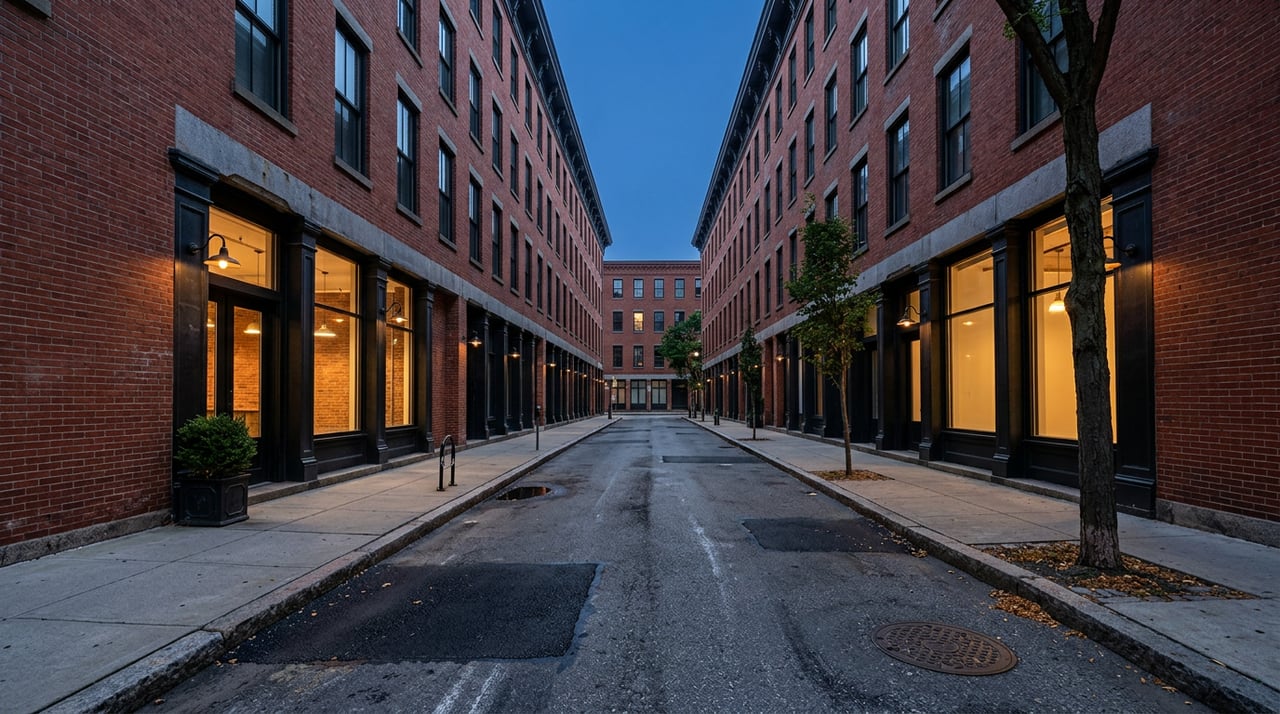
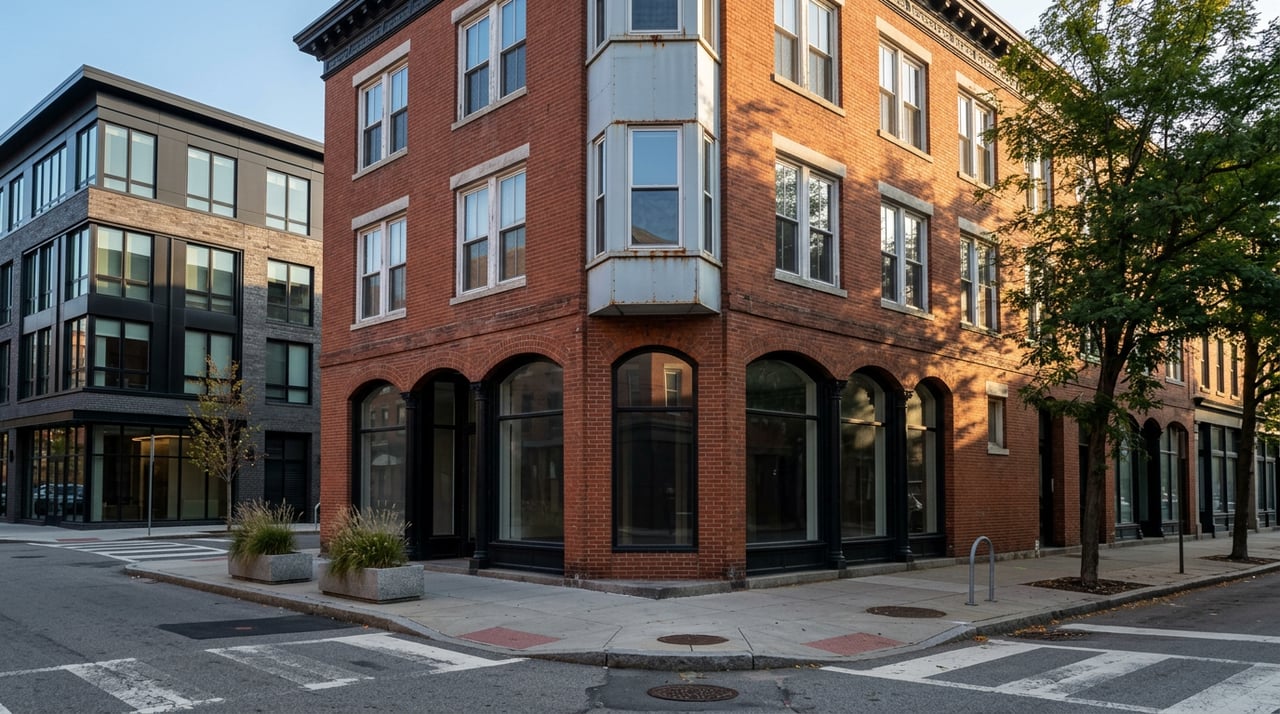
The Leather District is a small, nine-block area just east of Chinatown, and its building stock gives it a very different feel from many purpose-built condo buildings in Boston. According to Boston Planning’s Leather District overview, the neighborhood is defined by nineteenth-century brick warehouse structures with ground-floor display windows and cast-iron columns.
That history matters if you are buying as an investor. Many loft-style homes here were adapted from older commercial buildings, which helps explain the open layouts and industrial details buyers often expect in this part of Boston. A Boston Landmarks Commission study report also connects the district’s post-1872 rebuild to the city’s leather and shoe trade, with many four- to six-story masonry commercial buildings built in brick, granite, marble, sandstone, and cast iron.
What investors should expect
In practical terms, Leather District lofts may feel different from newer condo inventory across Boston. You may see broad floor plates, high ceilings, and large windows because of the area’s warehouse origins. Still, those features should be confirmed unit by unit rather than assumed.
That same building history can also affect renovation plans. If a specific building is individually landmarked or falls under a landmark review process, exterior changes like windows or façade updates may face additional review. This is why investors should treat building restrictions as address-specific and verify them early.
Start with the investment math
Before you get too deep into finishes or aesthetics, it helps to run a simple citywide benchmark. According to Zillow’s February 2026 rent report, Boston’s typical rent was $3,098, up 1.9% year over year, and 32.1% of rental listings offered concessions.
On the sales side, Redfin’s Boston housing market data shows a March 2026 median sale price of $867,500 and a median condo list price of $850,000. Using the $867,500 purchase benchmark and $3,098 monthly rent, the rough gross yield comes out to about 4.3% before HOA fees, taxes, vacancy, maintenance, insurance, and financing.
That does not tell you whether a specific Leather District loft is a good buy. It does give you a fast screening tool. If a unit’s projected numbers come in well below that range, you should ask what makes the asset worth the premium.
Look beyond gross yield
Gross yield is only the first pass. Older loft conversions often come with expenses that can materially change your return.
For Boston investors, some of the biggest line items include:
- Monthly HOA fees
- Real estate taxes
- Insurance
- Maintenance and repair risk
- Vacancy and leasing costs
- Financing costs
- Any upcoming special assessments
This is especially important in older conversion buildings, where deferred maintenance or underfunded reserves can erase a seemingly attractive purchase price advantage.
Review condo documents carefully
In Massachusetts, condo records can tell you a lot about what you are actually buying. Under Massachusetts General Laws Chapter 183A, Section 8, the master deed must state the unit’s location, approximate area, room count, access to common areas, intended uses, amendment method, and the name of the condominium organization.
For an investor, that means you should compare the recorded description with the actual unit and marketing materials. Confirm what is included, what is limited common area, and whether any storage, roof rights, or parking assumptions are actually documented.
Check rental and transfer restrictions
One of the most important investor questions is simple: Can you lease the unit the way you want to? Massachusetts law allows condo bylaws to include items like a right of first refusal and dispute-arbitration provisions. Chapter 183A, Section 12 also makes clear that a unit cannot be used in a way prohibited by the master deed or by any lease submitted under the chapter.
That is why you should review:
- Minimum lease terms n- Any cap on investor-owned units
- Board approval requirements for tenants or transfers
- Move-in and move-out rules
- Pet rules, if relevant to marketability
- Any right of first refusal language
If you are planning a rental strategy, these rules matter just as much as the purchase price.
Evaluate HOA financial health
For older loft buildings, the HOA can make or break the investment. Under Massachusetts condo law, Section 10, associations must keep important records including the master deed, bylaws, minutes, financial records, reserve-fund records, contracts, and insurance policies. These records must be available for reasonable inspection by unit owners and mortgagees.
The same law also requires an adequate replacement reserve fund kept separate from operating funds. For condominiums with more than 10 units, fidelity insurance is required, and condos with 50 or more units need an independent CPA review at least every two years.
When reviewing an older Leather District loft building, focus on:
- Reserve balance trends
- Recent capital projects
- Deferred maintenance issues
- Insurance coverage
- Board meeting minutes
- Any planned special assessments
- The association’s recordkeeping and reporting discipline
A beautifully renovated unit in a poorly managed building can still be a weak investment.
Understand Boston property taxes
Property taxes can meaningfully change your carrying costs. According to the City of Boston’s FY26 tax information, the residential tax rate is $12.40 per $1,000 of assessed value, while the commercial, industrial, and personal property rate is $26.96.
Boston also offers a residential exemption for qualified owner-occupants that can save up to $4,353.74, but that applies only to a principal residence. For an investor, the key takeaway is straightforward: if the unit will be tenant-occupied, you generally should not underwrite the deal using the owner-occupant exemption.
Know the rental rules in Boston
If your plan includes short-term rentals, be careful. Boston’s rules are restrictive. The city states that short-term rentals of fewer than 28 days are allowed only in owner-occupied condominiums, single-family, two-family, and three-family buildings, and they must be registered with the city.
For most non-owner-occupant condo investors, that means the likely income model is long-term leasing, not Airbnb-style turnover. Boston also requires annual registration for long-term rental owners, and rental properties are selected for inspection once every five years.
Watch future downtown supply
Today’s buy box is only part of the story. You also need to think about what may be coming to market nearby. Boston has continued to support adaptive reuse downtown, and in December 2025, the city extended its Office to Residential Conversion Program through December 31, 2026.
Boston Planning reported that the program had received 22 applications to convert 1.2 million square feet across 27 buildings into 1,517 homes, including 284 income-restricted units. The earlier downtown demonstration area included the Leather District, which makes this relevant for investors tracking future condo supply and rental competition.
This does not mean more supply is automatically bad. It does mean you should evaluate whether a loft’s pricing, finishes, HOA profile, and location within downtown Boston still look competitive if additional conversion inventory comes online.
A practical buyer checklist
If you are evaluating a Leather District loft conversion as an investment, keep your process focused on fundamentals.
Confirm the unit itself
- Verify square footage and layout against recorded documents
- Confirm any parking, storage, or common-area rights
- Review window condition, heating and cooling systems, and building infrastructure
- Check whether any exterior restrictions or approvals may affect future work
Confirm the building
- Review budgets, reserves, and recent financial statements
- Read board minutes for maintenance issues or owner disputes
- Ask about pending assessments and capital projects
- Confirm insurance coverage and professional management details
Confirm the rental plan
- Review lease restrictions and minimum terms
- Underwrite taxes without the owner-occupant exemption
- Model long-term rental income, not short-term rental income
- Compare expected rent against citywide benchmarks and concessions
Is a Leather District loft a smart investment?
It can be, especially if you want a downtown Boston asset with distinctive character and a building story that newer condos cannot easily replicate. But the right purchase usually comes down to discipline, not design. In this submarket, success often depends on buying the right building, understanding the condo structure, and underwriting conservatively.
If you want help evaluating a specific loft, comparing building financials, or pressure-testing your return assumptions against current Boston condo inventory, Moving Greater Boston can help you approach the decision with clear data and practical local insight.
FAQs
What makes Leather District lofts different from other Boston condos?
- Leather District lofts are often located in converted nineteenth-century warehouse buildings, so they may offer more industrial character, open layouts, and larger windows than many purpose-built condo buildings in Boston.
What should investors review in Leather District condo documents?
- Investors should review the master deed, bylaws, financial records, reserve-fund records, meeting minutes, insurance policies, and any leasing or transfer restrictions before making an offer.
Can an investor use a Leather District loft as a short-term rental in Boston?
- In most non-owner-occupant condo scenarios, no. Boston allows short-term rentals under 28 days only in owner-occupied eligible properties that are registered with the city.
How should investors estimate property taxes on a Boston condo?
- Investors should use Boston’s residential tax rate for the unit type but should not assume the owner-occupant residential exemption if the property will be tenant-occupied.
Why does HOA health matter in older Boston loft conversions?
- HOA health matters because reserve levels, insurance, deferred maintenance, and special assessment risk can significantly affect your real return in an older conversion building.
How can future downtown conversions affect a Leather District investment?
- Additional office-to-residential conversions could increase nearby housing supply, which may influence future pricing, resale competition, and rental demand in downtown Boston.