If you love the look of exposed brick, tall ceilings, and oversized windows, Fort Point-style warehouse condos can be hard to resist. But buying into a converted industrial building in Boston is different from buying a typical condo, and the details matter more than most buyers expect. When you understand how these buildings were built, governed, and updated over time, you can make a more confident decision and avoid expensive surprises. Let’s dive in.
Why warehouse condos feel different
Fort Point’s historic industrial buildings were not originally designed as modern homes. The Fort Point Channel Landmark District covers roughly 55 acres across the channel from downtown Boston and includes one of the city’s most significant collections of late 19th- and early 20th-century industrial loft buildings.
That history shapes what you experience as a buyer today. According to the city’s district study report, these buildings were generally constructed with masonry walls, flat roofs, medium-height massing, and heavy industrial framing, with fewer original amenities and simpler building systems than newer buildings.
For you, that often means more character and more variation. One converted loft may feel warm, quiet, and polished, while another in a similar location may have very different light, sound, or temperature performance depending on the building’s renovation history.
Original features still matter
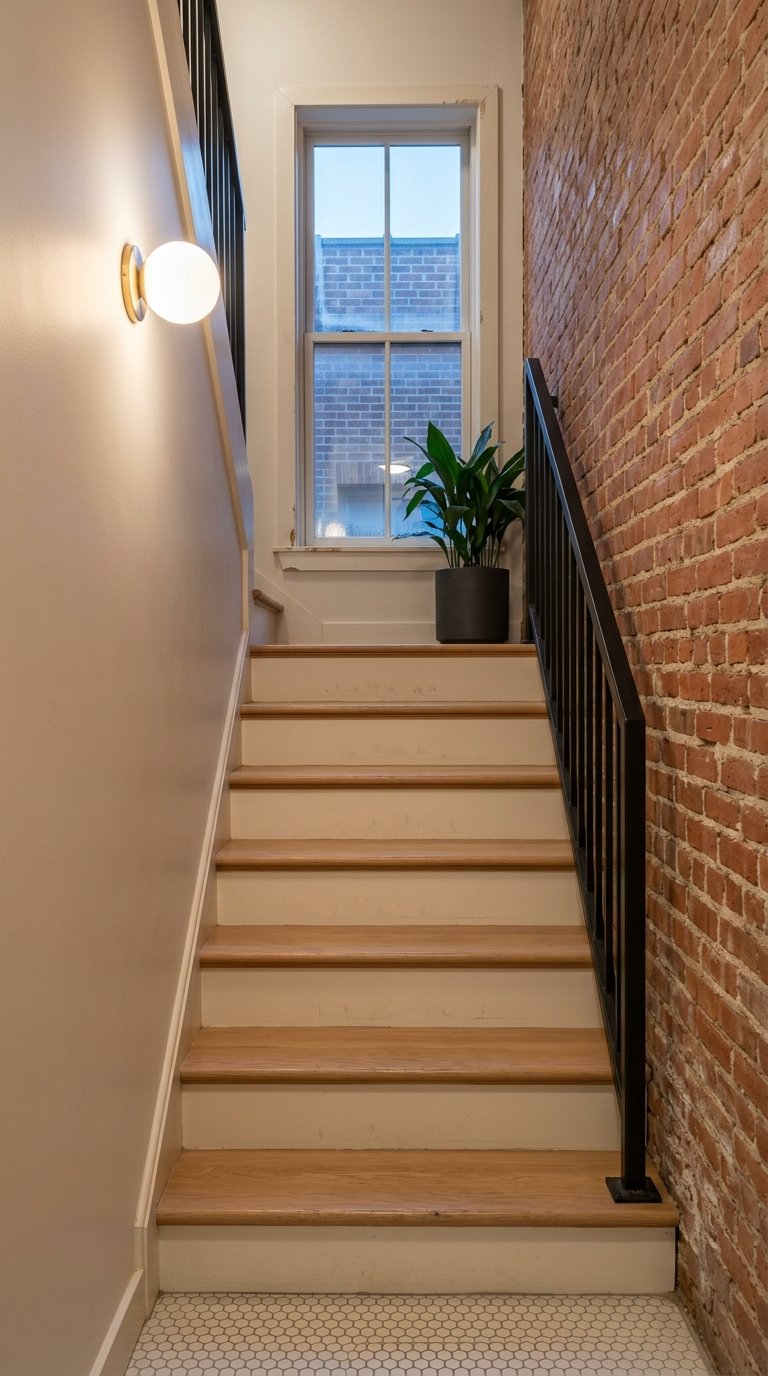
The same district study report notes features that continue to define the loft appeal, including high ceilings, freight elevators, weight-bearing floors, and large windows. Those elements are a big part of why buyers are drawn to these homes in the first place.
At the same time, not all industrial buildings were built the same way. The report distinguishes warehouse structures, which often have more wall area and less glazing, from manufacturing lofts, which tend to include larger windows and skylights. That difference can affect how bright and open a unit feels even when square footage looks similar on paper.
What to evaluate inside the unit
A great warehouse condo is about more than exposed beams and polished concrete. Before you get attached to the look, focus on how the unit actually lives day to day.
Layout and usable space
Because these buildings were adapted from industrial use, floor plans can be unusually efficient or surprisingly awkward. Similar square footage can feel very different based on window placement, interior walls, and how much of the original loft volume was preserved during conversion.
Pay attention to where the natural light reaches, how private the sleeping areas feel, and whether the open space works for the way you live. A dramatic loft aesthetic is appealing, but practical flow matters just as much once you move in.
Light and window exposure
Window count matters more in converted lofts than many buyers realize. Buildings with fewer original openings may have units with beautiful scale but less even daylight, especially deeper into the floor plan.
If you are comparing multiple properties, notice how the light changes throughout the day. Two homes with a similar size and finish level can feel completely different because of glazing, orientation, and the original building type described in the district report.
Noise, vibration, and comfort
Public records do not usually tell you whether a condo is quiet. Still, the city’s historic building documentation offers an important clue: construction types and renovation history vary widely, so you should not assume one loft will perform like another.
That means you should look closely at the unit, the building, and the association records. Ask about upgrades to floors, ceilings, windows, HVAC, and any sound-related improvements that may have been made over time.
Look beyond the amenity list
One common mistake is assuming that a historic building’s charm tells you something about its modern convenience level. In reality, the district study report notes that these buildings originally had few amenities and little interior finish, so many features buyers expect today were added later.
That is why you should separate the appeal of the historic shell from the quality of the current amenity package. A roof deck, storage area, bike room, concierge setup, or other shared feature may be a major plus, but it is still worth asking when it was added, how it is maintained, and what it costs through condo fees.
Review the condo documents carefully
In a converted warehouse building, the condo documents are not just legal paperwork. They help you confirm what you are really buying and how the building operates.
What the master deed can tell you
Under Massachusetts General Laws Chapter 183A, Section 8, the master deed must describe the land, buildings, unit designations and approximate areas, common areas, floor plans certified as built, intended use, restrictions, and management structure.
For a loft conversion, this is especially useful. It can help you verify whether the current layout matches the recorded unit configuration and whether special features are part of the unit, common area, or limited common area.
Why the bylaws matter
The condominium bylaws requirements under Chapter 183A, Section 11 cover maintenance, repairs, common expense collection, hiring management, rule adoption, and restrictions meant to prevent unreasonable interference between owners.
That matters in loft buildings where layouts can be unique and shared spaces can be more complicated. Rules around renovations, move-ins, noise, storage, and common-area use can have a direct effect on your day-to-day ownership experience.
Records buyers should request
Under Chapter 183A, Section 10, associations must keep important records, including the master deed, bylaws, minutes, financial records, reserve records, contracts, and current insurance policies. The law also requires a year-end financial report within 120 days, and associations with 50 or more units must have an independent CPA review at least every two years.
If you are serious about a property, these records can tell you a lot. Meeting minutes may point to recurring repair issues, planned capital projects, or owner concerns that are not obvious during a showing.
Pay close attention to reserves and fees
Monthly condo fees only tell part of the story. What matters just as much is how the association plans for future costs.
Massachusetts law requires an adequate replacement reserve fund separate from operating funds, and larger associations must also carry fidelity insurance for those handling organizational funds, as outlined in Chapter 183A, Section 10. Unpaid common expenses can also become liens against a unit.
For you, that makes reserve strength, owner delinquency history, and special assessment risk important parts of due diligence. A lower monthly fee may not be a bargain if the building is underfunded and major work is approaching.
How common expenses may be divided
In converted buildings, fee allocation can be less straightforward than buyers expect. Under Chapter 183A, Section 6, common expenses may be assessed by undivided interest or, if the master deed allows, by unit area and factors such as location, amenities, and limited common areas.
That can be important if a unit includes features like a private terrace, unusual footprint, or other limited common area. Before you buy, make sure you understand not just the current fee, but why your share is calculated the way it is.
Use Boston public records before you offer
If you are considering a warehouse condo in Boston, public records can help you verify details before you commit. The city’s Assessing Online tool lets you search by address or parcel to find valuation history, tax information, condo attributes, owner information, and approved building permits associated with the parcel.
Boston also provides property record cards and historical permit records by address. According to the city, permit images are available online, and plans can be viewed in person through Inspectional Services.
This step can be especially helpful in older converted buildings. Permit history may reveal when major work was done and whether updates were part of a larger building effort or a more isolated unit renovation.
Research the building’s original history
If you want to better understand a property’s industrial background, the Boston Landmarks Commission notes that many survey forms are available through MACRIS and related research materials. That can help confirm whether a building originally served as a warehouse, factory, or another type of industrial structure before conversion.
That context is useful because original use often helps explain window patterns, ceiling heights, floor loads, and overall layout. In a loft market, those details can directly affect both lifestyle and resale appeal.
Know the limits on future exterior work
One of the biggest ownership considerations in this area is that Fort Point is a designated landmark district. As the city explains on its Fort Point Channel Landmark District page, exterior alterations visible from a public way are subject to district review, and owners should not begin work until approval is granted.
For buyers, this matters if you are already thinking about replacing windows, changing visible rooftop equipment, or making facade-related improvements after closing. Even if a project seems straightforward, review requirements can affect timing, cost, and feasibility.
How to think about comparable sales
Pricing a warehouse condo is rarely as simple as comparing one glossy listing to another. Converted lofts can differ sharply in light, layout, finishes, ceiling height, exposure, and original industrial character.
That is why the City of Boston’s condo sales report can be a useful starting point. It includes sale date, sale price, living area, and price per square foot, which can help you build a more grounded view of value before relying on photos alone.
A smart comparison process looks beyond square footage. You want to weigh recorded sale data against the unique traits of the unit and building, especially in a niche segment like converted loft properties.
A smart buying approach for Boston lofts
If you are buying into a converted warehouse property, your best advantage is careful due diligence. These homes can offer standout architecture and a one-of-a-kind feel, but they reward buyers who look closely at documents, building history, systems, and association health.
That is where an experienced Boston buyer strategy can make a real difference. If you want help evaluating condo documents, comparing comps, and spotting the details that matter in Boston’s loft and condo market, connect with Moving Greater Boston.
FAQs
What makes Fort Point warehouse condos different from newer Boston condos?
- Fort Point-style warehouse condos are often located in former industrial buildings with historic construction, loft-style layouts, high ceilings, and building systems that can vary significantly based on renovation history.
What condo documents should you review before buying a converted warehouse unit in Boston?
- You should review the master deed, bylaws, meeting minutes, financial records, reserve records, contracts, and current insurance policies to understand the unit layout, rules, and association health.
How can you research permit history for a Boston condo building?
- You can use the City of Boston’s Assessing Online tool, property record cards, and address-based permit history resources to review valuation details and approved building permits.
Why do condo reserves matter when buying a Boston loft?
- Reserve funds matter because they help cover future capital repairs, and weaker reserves may increase the chance of special assessments or financial strain within the association.
Are exterior renovations restricted in Fort Point historic buildings?
- Yes. In the Fort Point Channel Landmark District, exterior changes visible from a public way are subject to district review and approval before work begins.