Wondering how to make your Inman Square condo stand out in a fast-moving Cambridge market? If you are getting ready to sell, it is easy to focus on price alone, but the best results usually come from a combination of smart prep, sharp positioning, and a launch plan built around how buyers actually shop. When you understand what today’s Cambridge condo buyers notice first, you can create more urgency, stronger interest, and a smoother path to closing. Let’s dive in.
Why Inman Square Appeals to Buyers
Inman Square offers a distinct Cambridge lifestyle that many condo buyers actively seek. The City of Cambridge describes it as a lively district with a mix of housing, ground-floor retail, owner-operated businesses, restaurants, personal services, specialty stores, and arts activity. That gives your listing more than an address. It gives it a neighborhood story.
The area is also shaped by how people move through it every day. The city notes that Inman Square includes a complex, pedestrian-heavy intersection with nine crosswalks and three MBTA bus routes, along with heavy foot, bike, transit, and vehicle traffic. For your sale, that means walkability, daily convenience, and access should be central parts of the marketing plan.
Compared with other nearby Cambridge areas, Inman Square can feel more neighborhood-scaled while still offering an urban setting. Central Square functions as a traditional downtown with a Red Line station, bus connections, arts, nightlife, and business activity. Kendall Square is known for its major commercial and innovation presence, so Inman often appeals to buyers who want city access with a more local street feel.
Price for the Market You Have
A strong sale usually starts with disciplined pricing. Redfin reports that Cambridge condos currently have a median listing price of $849,000, average about 30 days on market, and receive 5 offers. That tells you buyers are active, but they are still comparing options carefully.
Broader Cambridge data points to the same conclusion. Over the last three months ending May 2026, Redfin reports a median sale price of $1,189,288, homes selling in about 21 days, and an average of 3 offers. Zillow’s May 31, 2026 market snapshot shows 249 homes for sale, a median sale price of $1,021,667, and a median days-to-pending of 9.
What does that mean for your condo? Buyers are moving quickly when a listing feels well-priced and well-presented, but overpricing can slow momentum. The best strategy is usually to anchor your asking price in recent closed comparable sales, current competition, and the specific features of your unit rather than an aspirational number.
Position Your Condo Around Lifestyle
Inman Square buyers are often shopping for more than square footage. They are also weighing convenience, layout, and how a home fits daily life. Your listing should reflect that by showing not just what is inside the condo, but how the location supports a connected Cambridge lifestyle.
That story should be specific and factual. You can highlight the neighborhood’s mix of retail and dining uses, its pedestrian activity, and its transit access through multiple bus routes. In a city where Cambridge reports that a quarter of residents commute by transit and less than 31% drive alone, those details matter.
This is especially important for condos that may not offer large private outdoor space or extensive parking. If your home is close to the action, that is part of the value. Buyers need to see the tradeoff clearly and positively through the listing photos, remarks, and showing experience.
Focus Your Prep on High-Impact Rooms
Before your condo hits the market, aim for clean, bright, and intentional rather than overly personalized. According to the 2025 NAR staging report, 83% of buyers’ agents said staging made it easier for buyers to visualize a property as their future home. Nearly half of sellers’ agents also said staging reduced time on market.
The same report found that living rooms, primary bedrooms, and kitchens were the most important spaces to stage. For many Inman Square condos, that means you do not need to stage every corner equally. Instead, put the most effort into the spaces that shape first impressions and help buyers understand the layout.
A few focused updates can go a long way:
- Edit down furniture to make rooms feel open
- Add neutral bedding and simple decor in the primary bedroom
- Clear kitchen counters except for a few clean accents
- Improve lighting so rooms feel bright in photos and showings
- Minimize personal items that distract from the space
NAR also found that 29% of sellers’ agents reported a 1% to 10% increase in the dollar value offered after staging. While outcomes always vary, that supports treating presentation as an investment, not an afterthought.
Build an Online Listing That Stops the Scroll
For many buyers, your online listing is the first showing. NAR notes that nearly half of interested buyers begin their search online, and strong listings should include photos, video, virtual tours, and floor plans. In a visually competitive condo market, average media can cost you attention right away.
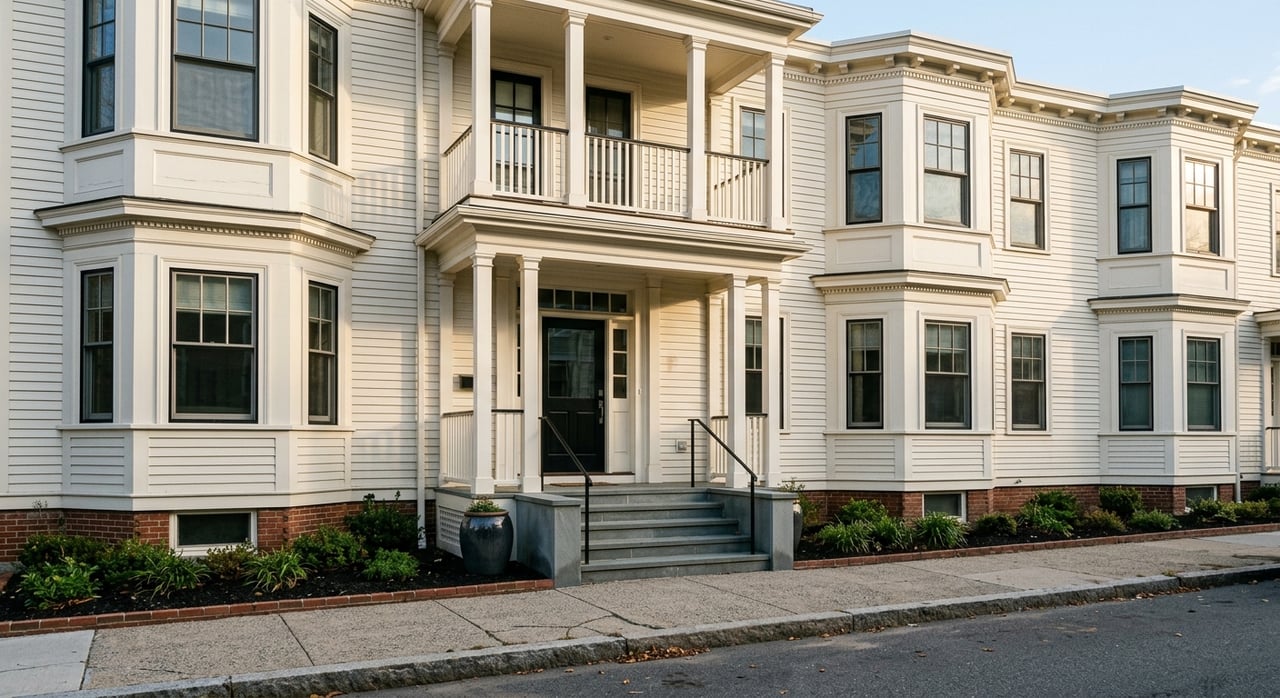
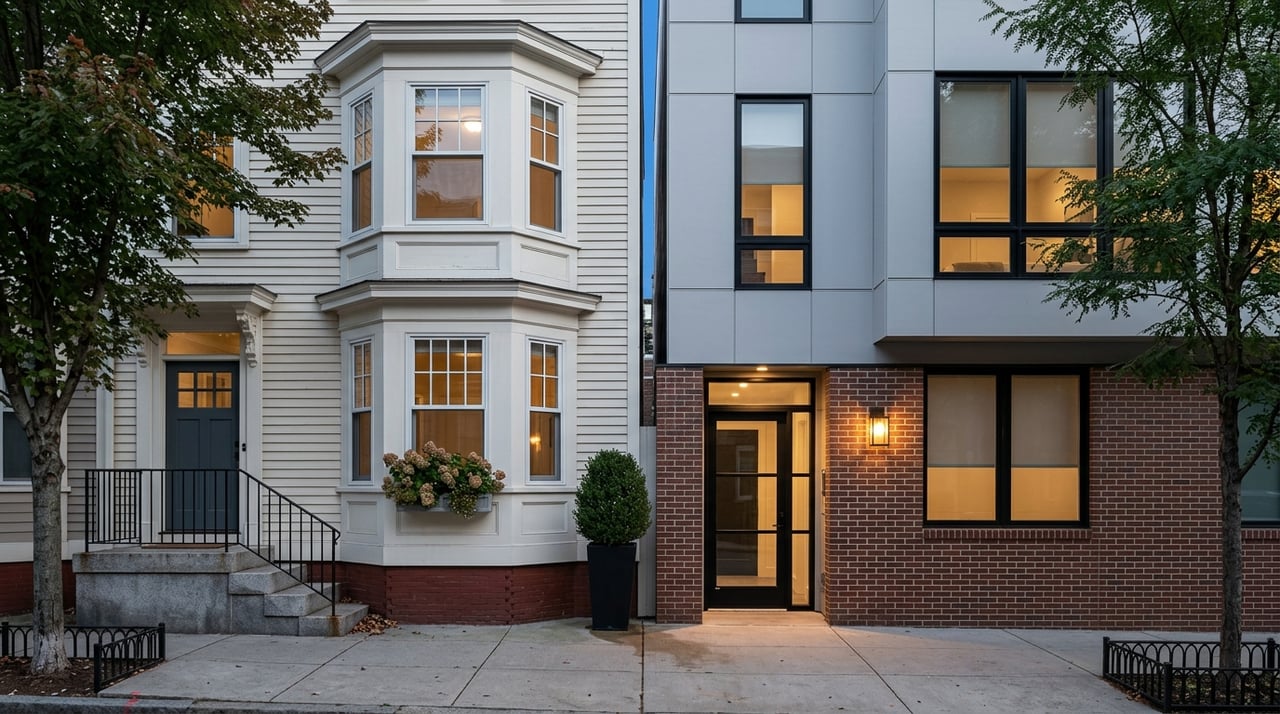
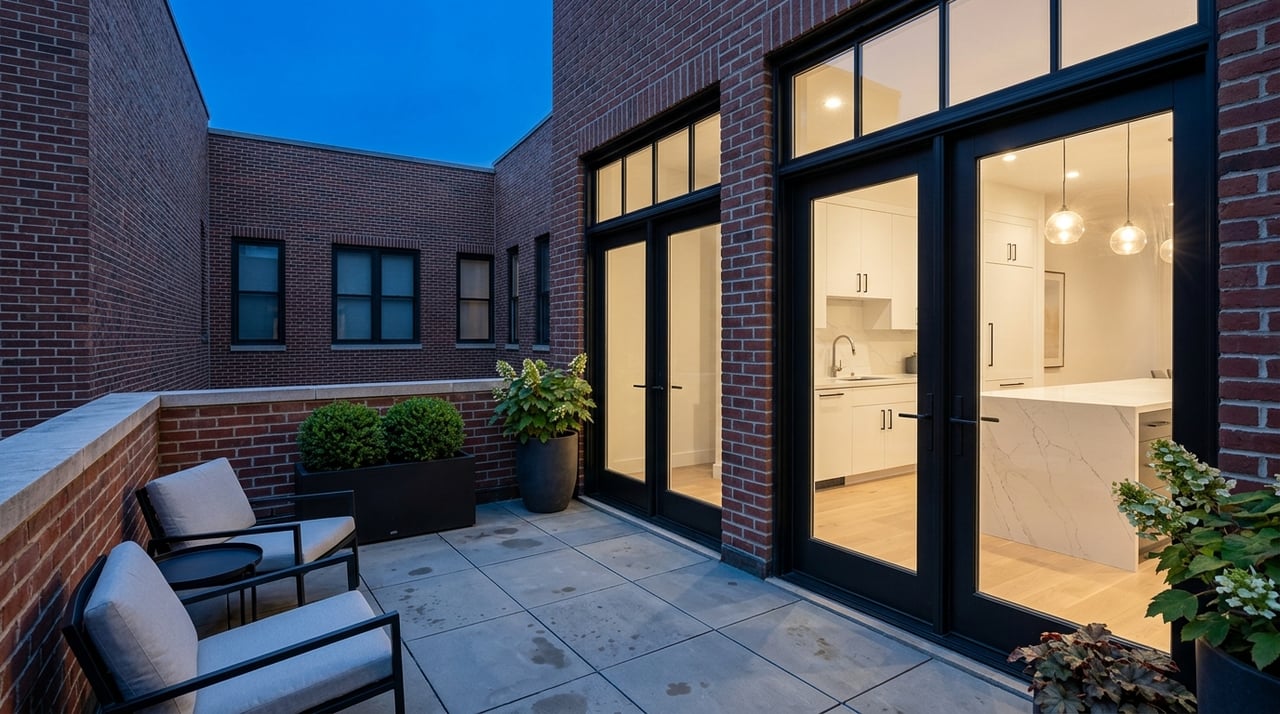
For an Inman Square condo, your media package should help buyers understand both the home and the setting. Bright interior photography, a clean floor plan, and at least one standout kitchen image can help buyers quickly grasp value. Neighborhood-context imagery can also support the story by showing the walkable streetscape and local feel around the square.
If virtual staging is used, materially altered photos should be disclosed so buyers understand what they are seeing. That matters because trust starts before a buyer ever steps inside. Accurate, polished marketing tends to create stronger interest and better-qualified showings.
Time Your Launch for Maximum Exposure
Timing can have a real effect on your result. NAR’s consumer guidance notes that a first open house on the weekend after the home goes on the market can help maximize exposure. That kind of launch rhythm can work especially well in Cambridge, where buyers often move fast once a listing goes live.
In Inman Square, access conditions should also factor into the plan. Cambridge has an active 2026 Inman Street reconstruction project, so sellers near that corridor should check city notices before picking a launch date or open house weekend. A strong strategy is not just about putting the condo online. It is about making the first buyer experience as easy as possible.
Since Inman Square is heavily used by people walking, biking, and taking transit, easy arrival may matter more than abundant parking. That is one reason neighborhood-specific planning can make a difference. You want your launch to work with the area’s patterns, not against them.
Get Condo Documents Ready Early
Condo sales in Massachusetts come with details that can slow things down if you wait too long. Mass.gov notes that questions about condo documents, rights, and responsibilities are legal in nature and should be directed to an attorney with real estate experience. For sellers, the practical takeaway is simple: gather key condo documents early.
That may include master deed materials, rules and regulations, financial information, and other building-related documents your buyer may want to review. Having paperwork organized before listing can reduce last-minute scrambling. It also helps your agent market the home with more confidence and answer common buyer questions faster.
This matters even more in a market where buyers often make decisions quickly. The easier it is for them to understand the condo, the easier it is for them to move forward. Preparation creates leverage.
Know the Key Massachusetts Seller Rules
Massachusetts handles seller disclosures differently than some other states. Mass.gov states that a general seller property condition disclosure is not required by law for residential sales, and that residential sellers have no affirmative disclosure requirement except for lead paint. Even so, accuracy still matters in every part of the listing and transaction.
If your condo or building was built before 1978, the Property Transfer Lead Paint Notification must be provided before a purchase and sale agreement is signed. Mass.gov warns that noncompliance can lead to civil and criminal penalties. For many older Cambridge properties, this should be part of your pre-listing checklist.
Home inspections also require attention. Under Massachusetts rules, sellers may not condition acceptance of an offer on the buyer waiving an inspection, and the mandatory residential home-inspection disclosure must be provided before entering into a contract. That means your strategy should prepare for inspection discussions rather than assume they can be avoided.
Choose a Listing Team With a Real Plan
Selling an Inman Square condo takes more than putting a sign in the window. You need pricing discipline, professional prep, strong media, a smart launch schedule, and responsive follow-through once buyers start asking questions. In a neighborhood where location story and condo details both matter, execution can shape the final result.
Massachusetts also requires written agency disclosure at the first personal meeting to discuss a specific property. If you are interviewing agents, use that conversation to understand who will actually handle communication, pricing analysis, marketing, and offer strategy. Clear representation and a defined process can make the sale feel much more manageable.
At Moving Greater Boston, we believe the best condo launches are equal parts local insight and repeatable systems. If you are thinking about selling in Inman Square, Moving Greater Boston can help you build a pricing, prep, and marketing plan designed for the Cambridge condo market.
FAQs
How should you price an Inman Square condo in Cambridge?
- Your price should be based on recent closed comparable sales, current Cambridge condo competition, and your unit’s specific features, since citywide data shows active buyer demand but not much room for overpricing.
What makes Inman Square attractive to Cambridge condo buyers?
- Inman Square stands out for its mix of housing, local retail, restaurants, arts activity, walkability, and access to three MBTA bus routes in a highly pedestrian-oriented setting.
What rooms matter most when staging a Cambridge condo for sale?
- The living room, primary bedroom, and kitchen tend to have the biggest impact, according to NAR’s 2025 staging report.
What Massachusetts disclosures matter when selling an older condo?
- If the condo or building was built before 1978, the Property Transfer Lead Paint Notification must be provided before the purchase and sale agreement is signed.
Can a seller require a buyer to waive a home inspection in Massachusetts?
- No. Massachusetts rules say a seller may not condition acceptance of an offer on the buyer waiving a home inspection.
What should you gather before listing a Cambridge condominium?
- You should gather condo documents early, since buyer questions about condo rights, responsibilities, and documents are often part of the legal review process during the sale.