Looking for a Boston neighborhood that feels creative, connected, and a little different from the usual condo search? Fort Point stands out for exactly that reason. If you are drawn to brick-and-beam lofts, waterfront walks, and a lifestyle shaped by art and dining, this area offers a distinct version of city living. Let’s dive in.
Why Fort Point Feels Different
Fort Point sits across the Fort Point Channel from downtown Boston and is part of the broader South Boston Waterfront and Innovation District. Boston planning describes the area as a place that has evolved from historic warehouses and industrial space into a creative, tech, and residential hub. That history still shows up in the streetscape, the buildings, and the overall feel of the neighborhood.
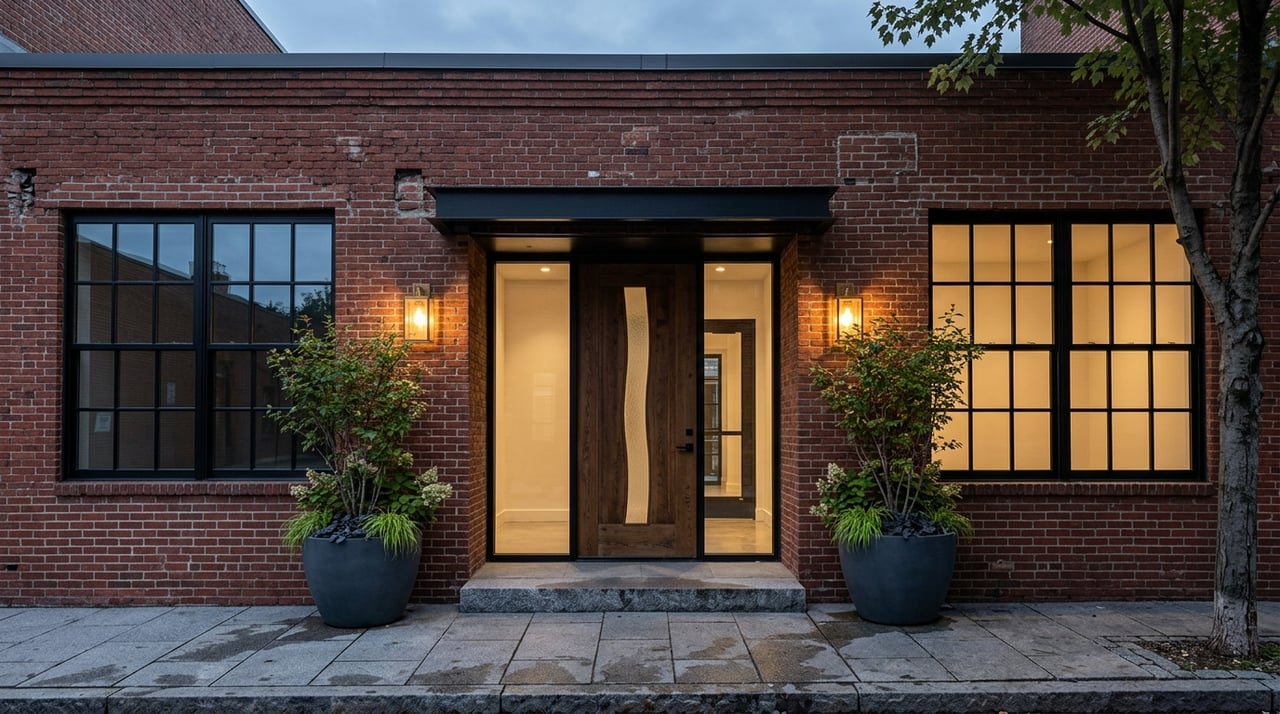
One of the biggest reasons Fort Point feels so distinct is its architecture. The Fort Point Channel Landmark District covers about 55 acres and is described by the City of Boston as the city’s largest and most cohesive collection of late 19th- and early 20th-century industrial loft buildings. If you want a home with visible character, this is one of the few Boston areas where that identity is deeply built into the housing stock.
Fort Point is also part of a waterfront district that has changed quickly in recent years. Boston planning reports that in the broader South Boston Waterfront, population grew 195% and housing units grew 327% from 2010 to 2020. For you as a buyer or seller, that growth helps explain why the area now blends older loft conversions with newer residential development.
Fort Point’s Arts Identity
Fort Point is not just near arts venues. Its identity is closely tied to artists living and working in the neighborhood. Boston’s arts office says vacant brick-and-beam warehouses were reused over time to create the largest community of artists in New England, and that Fort Point continues to provide artists a place to work and live.
That history matters because it shapes how the neighborhood feels today. Instead of a traditional single-family streetscape or a typical retail corridor, Fort Point often feels defined by studio buildings, converted warehouses, galleries, and creative workspaces. If you want a neighborhood with a strong sense of place, this artistic foundation is a big part of the appeal.
FPAC, founded in 1980, continues to support exhibitions, performances, speaker series, and advocacy for permanent affordable live-work spaces. Its gallery network includes the FPAC Art Space, FP3 Gallery, Midway Gallery, the Gallery at Atlantic Wharf, the Gallery at 249 A Street, and GALLERY 300. The annual Fort Point Open Studios event also opens artist buildings and historic waterfront warehouses to the public.
For residents, that means the arts scene is part of everyday life rather than a once-in-a-while attraction. Gallery visits, studio events, and artist-led programming help keep the area active beyond standard office hours. If neighborhood energy matters to you, Fort Point offers a version of city living that feels creative and lived-in.
Loft-Style Homes in Fort Point
When people picture Fort Point real estate, they usually picture loft-style homes, and for good reason. The area is known for former warehouse buildings that now house market-rate loft living, artist live-work spaces, and a range of converted residential units. In the surrounding waterfront area, newer apartment, condominium, and micro-unit buildings add more housing choices.
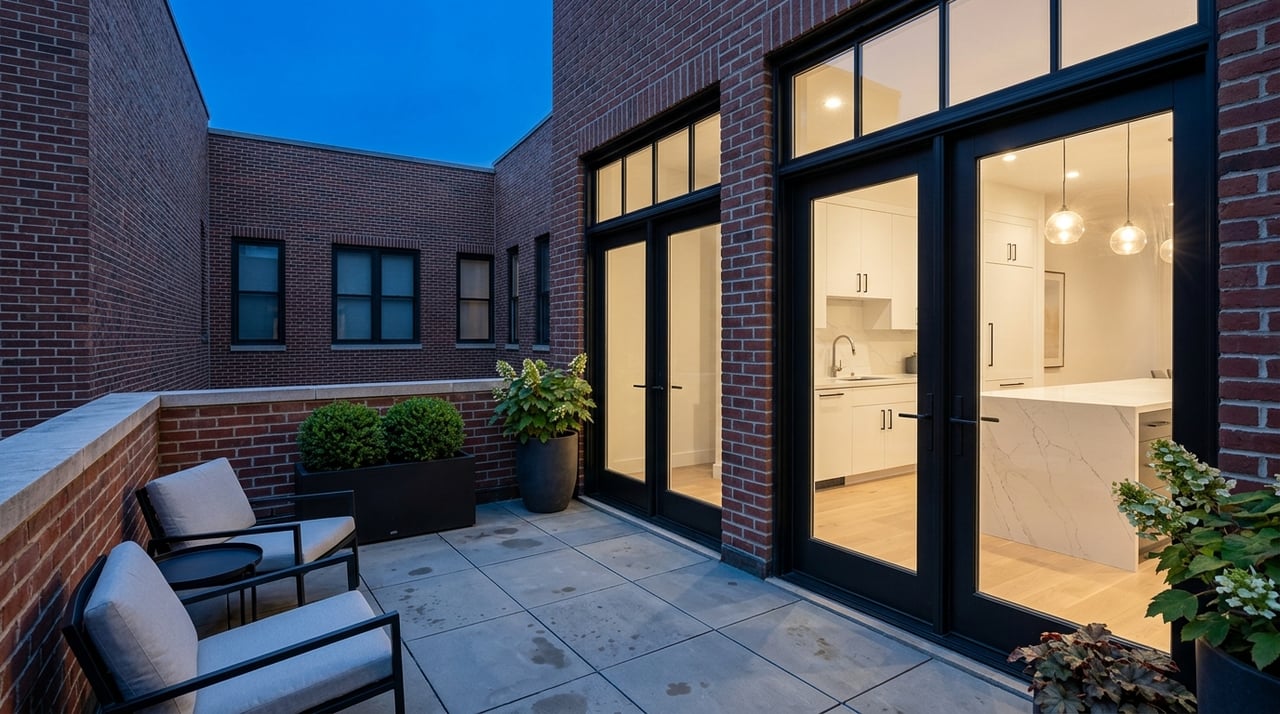
If you love exposed brick, timber beams, open layouts, and industrial details, Fort Point is one of Boston’s clearest matches. The neighborhood’s housing story is rooted in adaptive reuse, so many homes feel different from a more standard condo product. That can be a major draw if you want architecture with texture and a floor plan that feels open and flexible.
The artist live-work component is also real and not just part of the neighborhood’s past. The Artist Building at 300 Summer Street is a limited-equity cooperative with 48 primary residence artist live-work spaces. At 249 A Street, an artist-owned live/work cooperative is home to more than 45 artists and their families.
From a home search perspective, Fort Point tends to appeal to buyers and renters looking for:
- Industrial loft character
- Open-plan interiors
- A waterfront location near downtown
- Access to art spaces and cultural programming
- A blend of historic buildings and modern infill nearby
If you are comparing Fort Point to other Boston neighborhoods, it helps to think about fit. This is less about brownstones or traditional neighborhood blocks and more about converted warehouse living with strong access to the Seaport and downtown.
Dining in Fort Point and Nearby Seaport
Dining is a major part of the Fort Point lifestyle, but it is best understood in context. Rather than a long-standing neighborhood main street, Fort Point offers strong access to a dense dining cluster spread across Fort Point and the adjacent Seaport. That gives you plenty of variety within a compact, walkable area.
Current examples reflect that mix. Row 34 says its original Boston location is in a renovated 1908 Boston Wharf Company textile warehouse in historic Fort Point. Trillium has a year-round location on Congress Street in Fort Point, and The Barking Crab has operated on the edge of the Fort Point Channel since 1994.
For day-to-day living, that means your options can include seafood, brewery spaces, casual waterfront spots, and destination restaurants without needing to travel far. Boston planning also notes that pop-up restaurants and shops appear along the waterfront in summer, adding even more seasonal activity. If you enjoy having food and drink options close at hand, Fort Point delivers strong access in a compact footprint.
Waterfront Access and Public Space
One of Fort Point’s biggest lifestyle advantages is the waterfront itself. The Boston Harborwalk runs through the area as part of the city’s larger public waterfront path network. That gives you an easy way to get outside, walk along the water, and connect to nearby parts of Boston.
Public space adds to that appeal. Martin’s Park at 64 Sleeper Street is a climate-resilient public park and play space next to Boston Children’s Museum. Nearby cultural destinations also reinforce the neighborhood’s public-facing character, including Boston Children’s Museum on Congress Street and the Institute of Contemporary Art in the Seaport.
For you as a resident, this adds up to more than just nice views. The waterfront in and around Fort Point is part of everyday use, with walking routes, parks, museums, and public activity built into the area. If you want city living that still gives you room to move, this is one of the neighborhood’s strongest selling points.
Getting Around Fort Point
Fort Point works well for buyers who want a connected location. Boston planning and neighborhood building pages emphasize access to South Station, the Silver Line, I-90, the Harborwalk, and walking connections to downtown and the Seaport. That mix makes the neighborhood practical for many daily routines.
If your lifestyle depends on commuting, car access, or getting around on foot, Fort Point checks several boxes at once. You can stay close to major transit and road connections while also enjoying a neighborhood that feels distinctly local. That balance is a big part of why the area continues to attract attention.
What Buyers Should Know About Fort Point
Fort Point is a smart neighborhood to explore if you want a Boston home with strong identity. It offers architecture you can feel, a waterfront setting, and direct ties to the city’s creative culture. At the same time, the broader South Boston Waterfront growth story means you are looking at an area that combines established loft buildings with continuing development nearby.
As you search, it helps to focus on your priorities. If your list includes historic character, open layouts, access to dining, and easy connections to downtown, Fort Point may be a strong match. If you prefer a more traditional residential streetscape, another Boston neighborhood may fit better.
A neighborhood like this benefits from block-by-block guidance. Building style, unit type, and nearby surroundings can vary more here than buyers first expect. Having local insight can help you narrow in on the right building and avoid wasting time on homes that do not match your lifestyle.
What Sellers Should Know About Fort Point
If you own property in Fort Point, your marketing should highlight what makes the area unique. Buyers are often drawn here for a specific lifestyle, not just square footage. That means features like exposed brick, oversized windows, timber beams, channel views, proximity to the Harborwalk, and access to Fort Point and Seaport dining can all matter in how your home is positioned.
This is also a neighborhood where context matters. A loft in a historic warehouse building tells a different story than a newer residence in the surrounding waterfront area. Strong pricing and marketing depend on understanding that distinction and presenting your property to the right pool of buyers.
Why Fort Point Continues to Attract Interest
Fort Point offers something that is hard to replicate in Boston. You get industrial architecture, a real arts legacy, waterfront access, and immediate proximity to some of the city’s most active dining and cultural destinations. Few neighborhoods combine those elements in such a compact footprint.
For buyers, that can mean a home with more personality and a location that supports an active, walkable routine. For sellers, it creates a clear identity that can stand out when marketed well. If you are considering a move in this part of Boston, neighborhood-level guidance can make the process much clearer.
If you are thinking about buying or selling in Fort Point or anywhere in Boston’s waterfront neighborhoods, Moving Greater Boston can help you navigate the market with local insight, responsive service, and a clear strategy.
FAQs
What types of homes are common in Fort Point Boston?
- Fort Point is best known for loft-style condos, artist live-work units, and some newer apartment and condo options in the surrounding waterfront area.
Is Fort Point Boston still an arts neighborhood?
- Yes. The neighborhood remains closely tied to artists, live-work spaces, galleries, and events supported by FPAC and the City of Boston’s arts programming.
What is the lifestyle like in Fort Point Boston?
- Fort Point offers a mix of industrial loft living, waterfront walking access, nearby dining, gallery activity, and close connections to downtown Boston and the Seaport.
How do you get around from Fort Point Boston?
- Fort Point has access to South Station, the Silver Line, I-90, the Harborwalk, and walkable connections to downtown and nearby waterfront districts.
What makes Fort Point different from other Boston neighborhoods?
- Fort Point stands out for its concentration of historic industrial loft buildings, artist-led neighborhood identity, waterfront setting, and close access to the Seaport dining and cultural scene.