Selling a Charlestown home can feel like a balancing act. You want to highlight what makes your property special, price it well, and avoid surprises that can slow your timeline. The good news is that with the right prep, you can make smart decisions before your home hits the market and put yourself in a stronger position from day one. Let’s dive in.
Start With Charlestown’s Housing Story
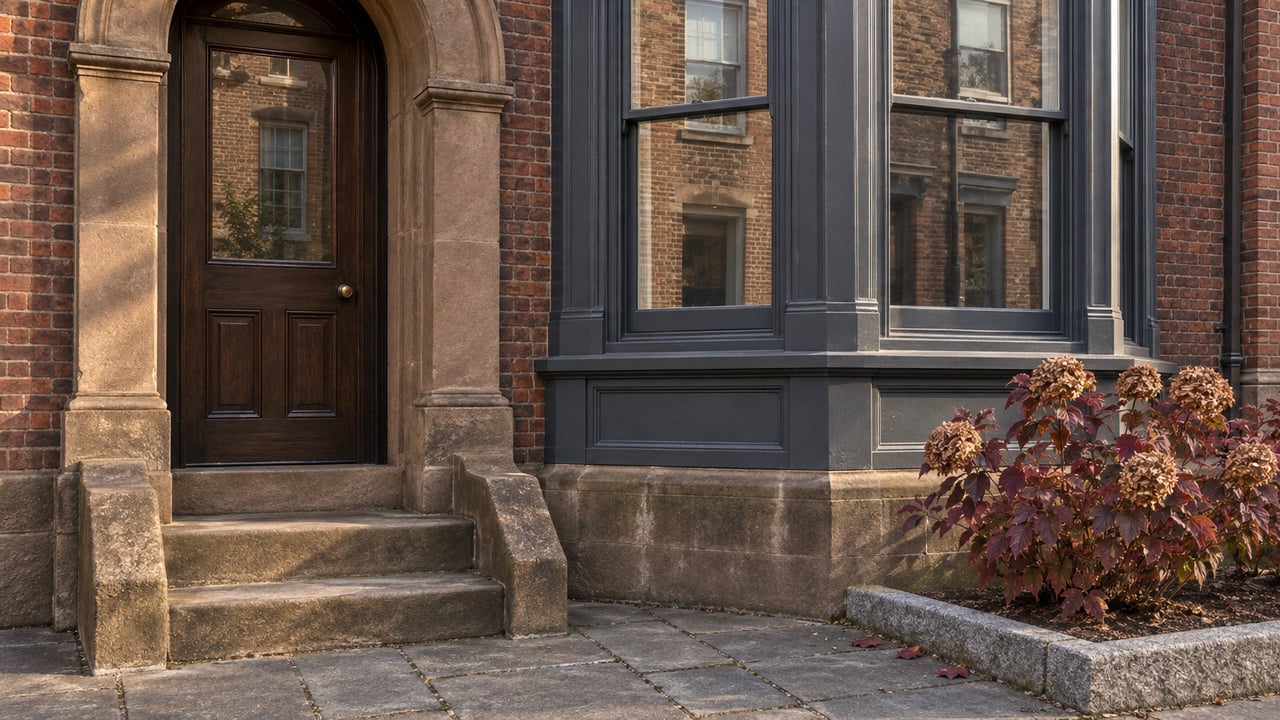
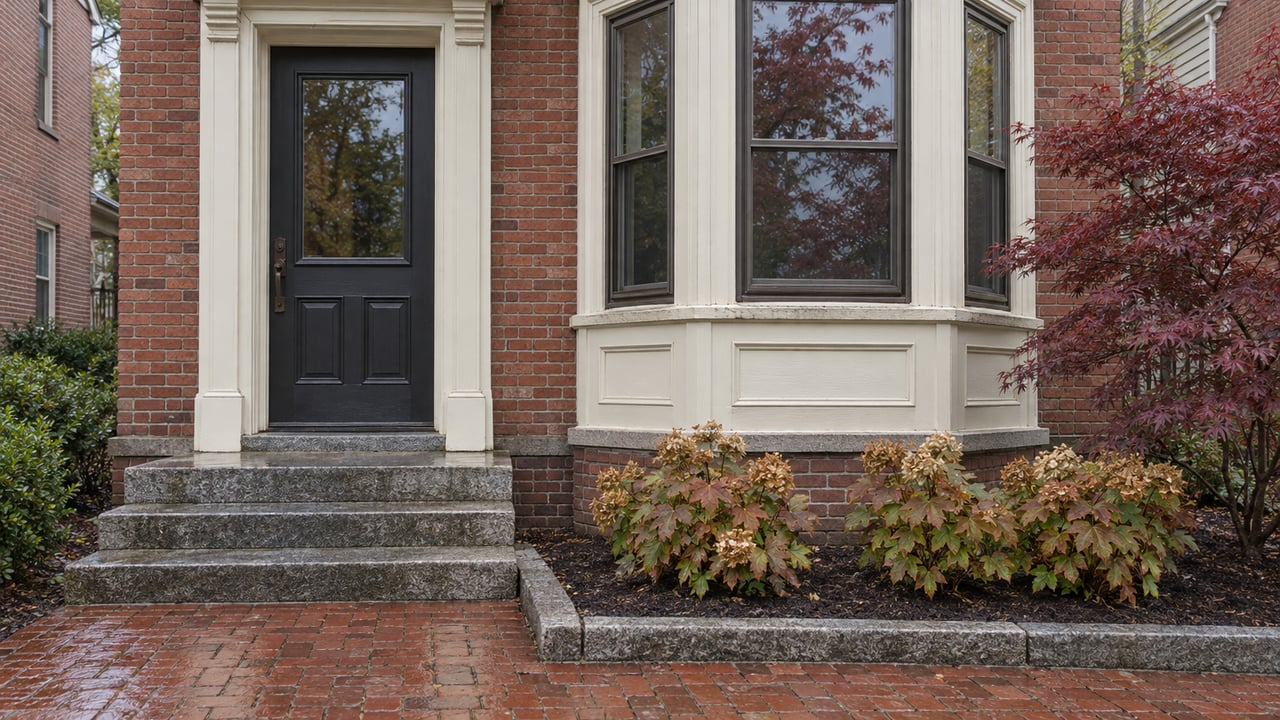
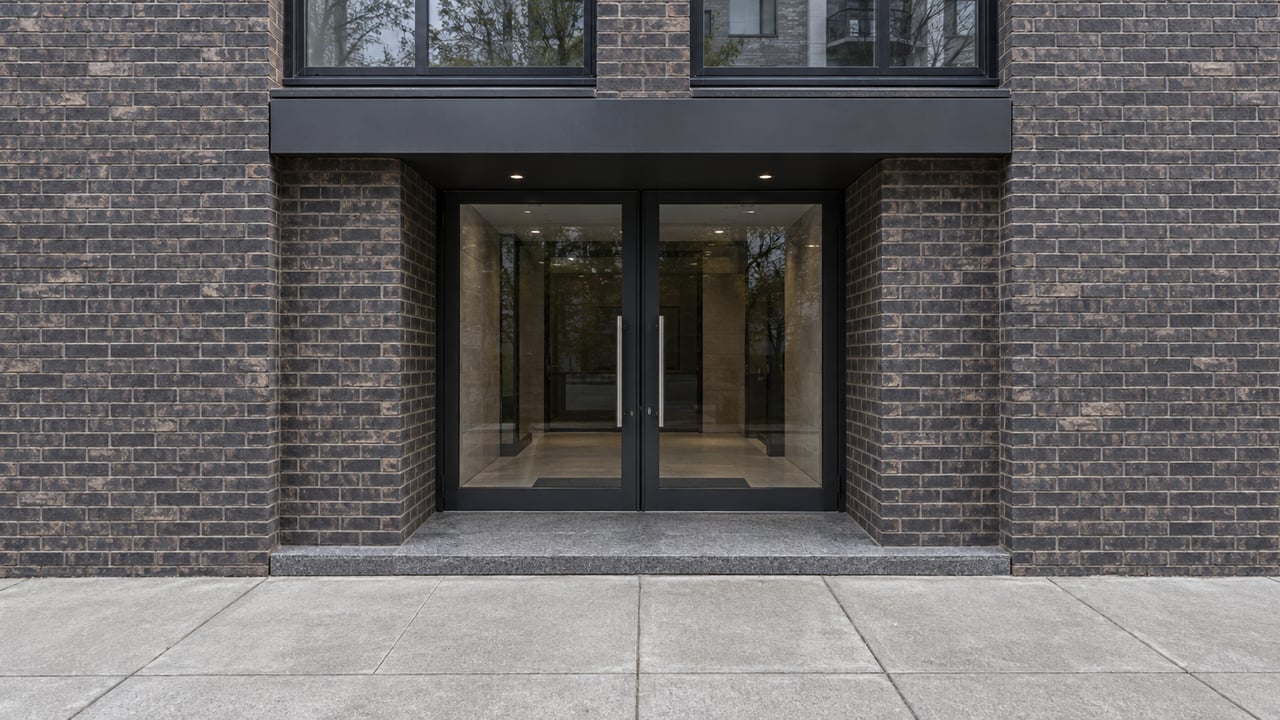
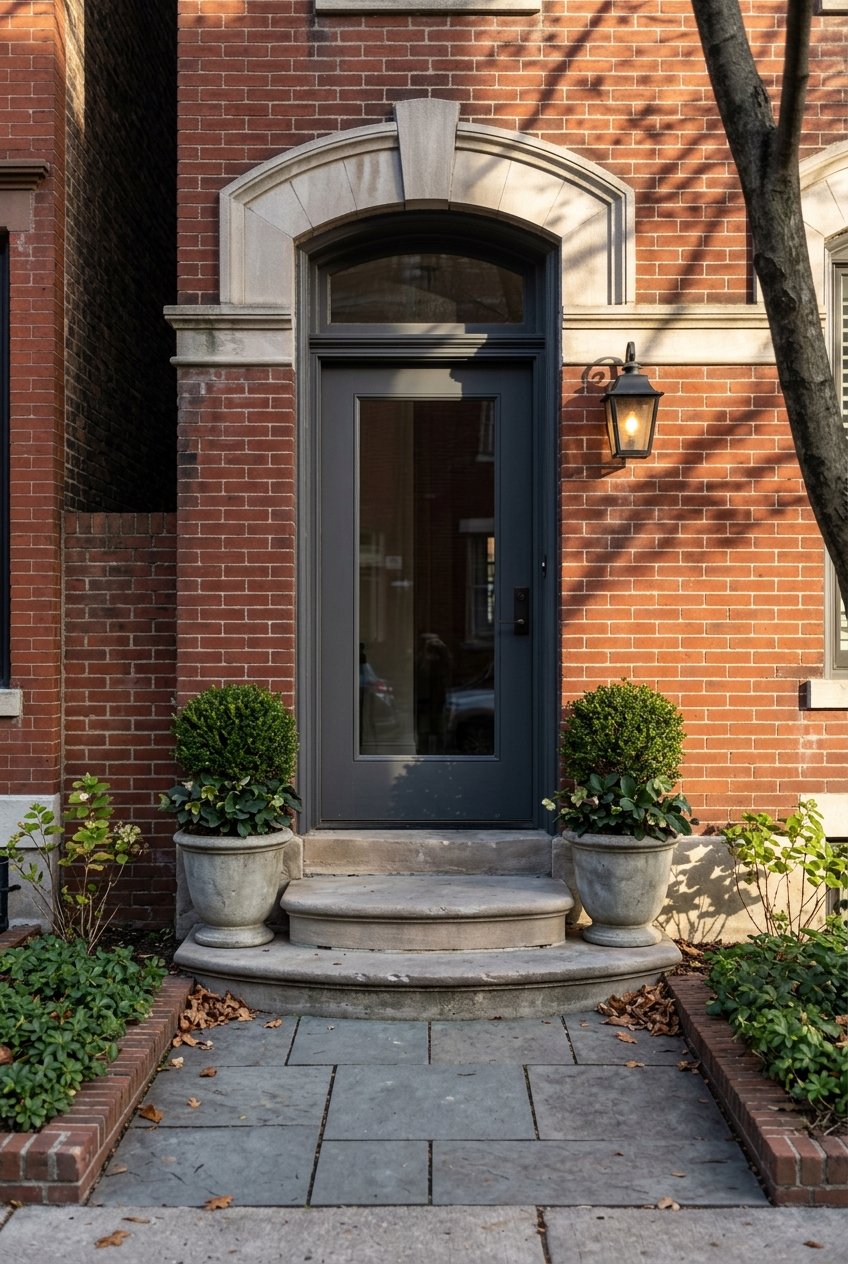
Charlestown has a distinct housing mix, and that matters when you prepare to sell. Boston Planning describes the neighborhood as a blend of brick and wood row houses, public housing, and newer waterfront condominiums and apartments.
That means buyers may respond strongly to different features depending on the home type. In a rowhouse, original character and thoughtful updates often stand out. In a condo, clean finishes, smart layout, natural light, and efficient use of space can carry a lot of weight.
Charlestown also has a notable share of residents under 18, and Boston Planning estimates that 77.9% of residents age 16 and older are in the labor force. For you as a seller, that suggests flexible rooms, storage, and a functional work-from-home setup are worth showing clearly in photos and during showings.
Showcase Character, Not Overcorrection
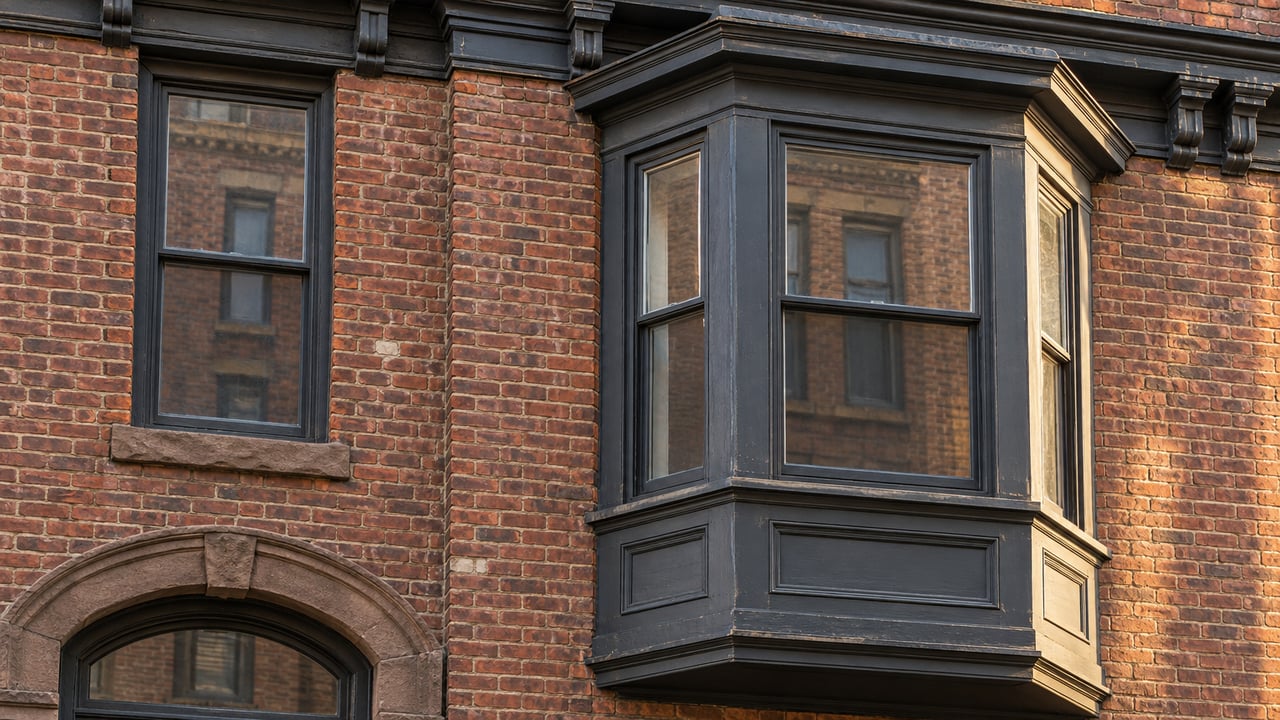
Charlestown’s planning framework puts real value on historic form. Local planning documents reference a rowhouse residential subdistrict and a neighborhood design overlay district that help preserve the area’s historic rowhouse fabric and rooflines.
For sellers, the message is practical. If your home has period details, built-ins, original brick, classic trim, or a traditional facade, those features should usually be framed as assets. Buyers in this part of Boston often appreciate homes that feel updated but still connected to the architectural style around them.
That does not mean you need to avoid improvements. It means the best prep often comes from careful modernization rather than trying to erase the home’s original identity.
Check Exterior Approval Before You Start
Before you plan any exterior work, confirm whether your property is subject to local historic or landmark review. Boston says Monument Square is being studied as Charlestown’s first local landmark district, so current designation should be verified before any exterior project begins.
Boston’s Landmarks Commission reviews proposed physical changes to landmarked properties and historic districts. That can include roof decks, window replacements, general repairs and painting, masonry cleaning or repointing, and new balconies, porches, decks, and stairs.
If your home falls under review, checking guidelines early can save time and frustration. Work that aligns with the property’s applicable guidelines is more likely to move through the approval process faster.
Exterior Projects Worth Verifying
- Window replacement
- Roof or roof deck work
- Painting and repairs
- Masonry cleaning or repointing
- Porch, balcony, deck, or stair updates
If you are selling soon, it is usually better to confirm approvals before spending money or setting a list date.
Prioritize Smart Pre-Listing Improvements
One of the biggest seller questions is whether to renovate or stage. In many Charlestown homes, the strongest answer is not a full renovation. It is targeted preparation that improves presentation without creating delays or overbuilding for the market.
That approach fits both the housing stock and current market conditions. Buyers still pay attention to condition, but they are also more selective about price and value.
Focus first on improvements that help your home show cleanly, clearly, and truthfully. In many cases, that means addressing deferred maintenance, refreshing worn finishes, and making the space feel more open and functional.
High-Impact Prep Priorities
- Declutter every room
- Deep clean the entire home
- Improve curb appeal
- Simplify furniture layout
- Highlight natural light
- Make flexible rooms easy to understand
- Address visible maintenance issues
For Charlestown rowhouses and compact condos, opening sightlines matters. When rooms feel less crowded, buyers can better understand the layout and see the home’s architectural details.
Build Lead-Safe Work Into the Timeline
If your home was built before 1978, lead-safe planning should be part of your selling timeline. The EPA says renovation, repair, or painting work in a pre-1978 home can create dangerous lead dust.
Massachusetts also has specific rules for qualifying renovation work. If a project disturbs more than 6 square feet of interior painted surface per room or more than 20 square feet outside, the work must be done by a licensed lead-safe renovation contractor.
Lead-paint notification is also required when a pre-1978 home is sold. This is one reason it helps to plan your prep early. If lead-safe work is needed, you do not want to discover that in the final stretch before listing.
Use Staging Where It Moves the Needle
Staging can make a real difference, especially in homes where layout, scale, and light need to come across clearly in photos and in person. According to the National Association of Realtors’ 2025 Profile of Home Staging, 83% of buyers’ agents said staging made it easier for buyers to visualize a property as a future home.
The same report found that 29% of sellers’ agents said staging increased the dollar value offered by 1% to 10%, and 49% said it reduced time on market. Those are meaningful gains for sellers who want a stronger launch.
The most commonly staged rooms were the living room, primary bedroom, dining room, and kitchen. If you are deciding where to spend, those spaces are often the best place to start.
Best Rooms to Stage First
- Living room
- Primary bedroom
- Dining room
- Kitchen
In Charlestown, staging should support the home’s existing strengths. In a rowhouse, that may mean drawing attention to ceiling height, windows, fireplaces, or original detail. In a condo, it may mean making every room feel calm, bright, and easy to use.
Price for Today’s Boston Market
Pricing is where confidence matters most. Current Boston data suggests that sellers still have opportunity, but buyers are watching value closely.
Redfin’s March 2026 Boston snapshot showed a median sale price of $860,000, a median of 33 days on market, and about 2 offers per home. Realtor.com’s February 2026 Boston report showed a median list price of $949,500, said just 7.9% of listings had a price reduction, and reported homes selling in about 42 days.
Realtor.com’s April 2026 report kept the median list price at $949,500, down 9.1% year over year. These are different metrics, so they are not exact substitutes, but together they point to the same takeaway: Boston remains expensive, and buyers have become more selective about asking price.
Realtor.com also placed Boston in the late seller category for Q1 2026. That supports a pricing strategy based on current comparable sales rather than peak-market expectations.
What Should Shape Your Price
- Recent comparable sales
- Home type, such as condo, townhome, or rowhouse
- Current condition and level of updates
- Kitchen and bath quality
- Parking
- Outdoor space
- View corridors
- Approved roof or terrace features
In a market like this, small pricing mistakes can matter. A disciplined launch price can create better momentum than starting high and chasing the market down later.
Time Your Sale Around Readiness
Spring is still the main launch window. Realtor.com’s Spring 2026 Progress Report says new listings and contract signings are at their highest level since 2022, with May and June typically the strongest seasonal months.
The same report noted that winter storms likely delayed some early 2026 activity in the Northeast. That suggests some pent-up seasonal demand may still support a well-prepared listing.
Still, the best time to list is not just about the calendar. It is about readiness. If your home needs lead-safe work, exterior approvals, repairs, staging, or photography, it is often better to finish the work first than to go live mid-project.
A polished launch tends to give buyers more confidence. It also helps your home compete better during the first days on market, when attention is usually strongest.
A Confident Charlestown Selling Plan
If you want to sell with confidence, keep your plan simple and strategic. Start with what buyers in Charlestown are likely to value, confirm any exterior approval issues early, and focus your budget on prep that improves presentation and supports your price.
In most cases, that means preserving character, making smart updates, staging key rooms, and pricing from the current market rather than from memory. When those pieces work together, your home can come to market in a way that feels polished, credible, and competitive.
If you are getting ready to sell in Charlestown or anywhere in Boston, Moving Greater Boston can help you build a clear prep plan, price strategically, and launch with the kind of marketing and execution that reduces friction from start to finish.
FAQs
Should you renovate or stage before selling a Charlestown home?
- For many Charlestown sellers, targeted preparation and staging make more sense than a full renovation. Decluttering, cleaning, curb appeal work, and staging key rooms often improve buyer response without adding major delays.
Do Charlestown exterior home updates need approval before listing?
- Some exterior changes may require review, especially for landmarked properties or homes in historic districts. Boston’s Landmarks Commission may review items like windows, roof decks, painting, masonry work, porches, balconies, decks, and stairs, so it is smart to check before starting work.
Is spring the best time to sell a home in Charlestown?
- Spring is still the strongest seasonal launch window in the Boston market, with May and June typically performing well. That said, your best listing date is when your home is fully ready, photographed, and not stuck in the middle of repairs or approvals.
What rooms matter most when staging a Charlestown property?
- The rooms most commonly staged are the living room, primary bedroom, dining room, and kitchen. These spaces often have the biggest impact on how buyers understand layout, scale, and overall livability.
What should sellers know about lead-safe work in older Charlestown homes?
- If your home was built before 1978, lead-safe planning should be part of your prep timeline. Massachusetts requires licensed lead-safe renovation contractors for certain projects that disturb painted surfaces, and lead-paint notification is required when a pre-1978 home is sold.