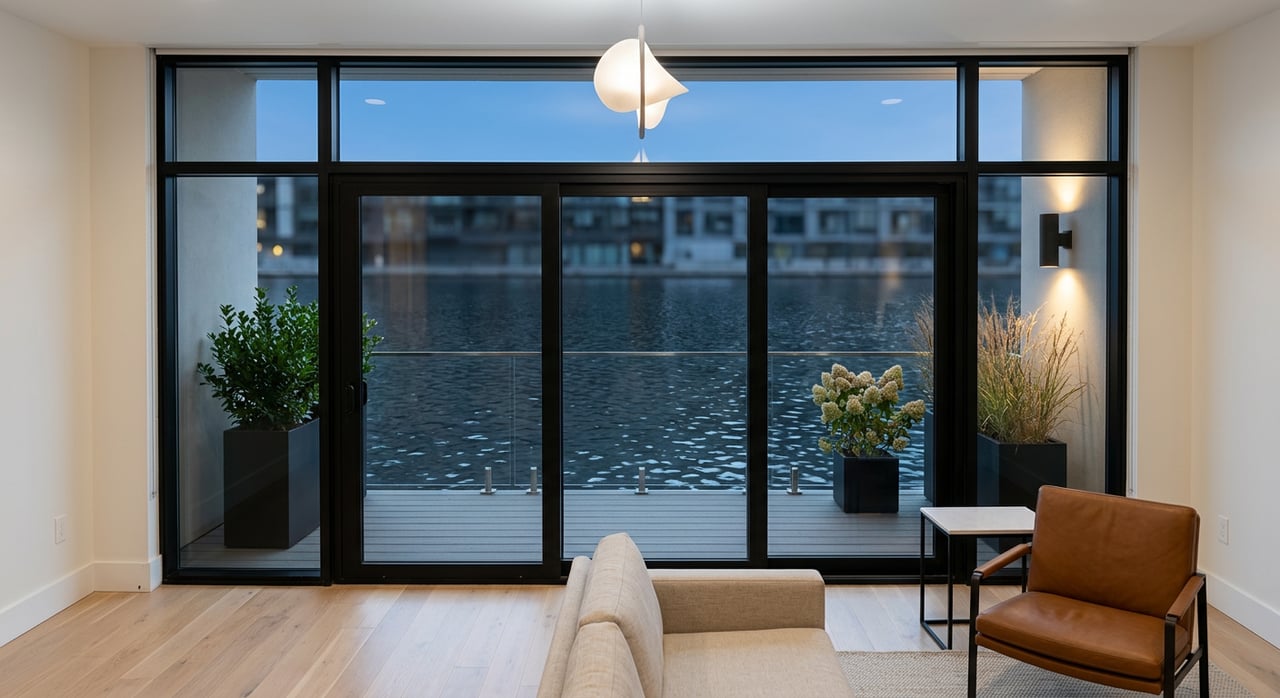
Trying to choose between a shimmering Seaport tower and a classic Waterfront address can feel like comparing two great options for very different reasons. You want amazing views, everyday convenience, and a smart long-term investment. This guide breaks down what actually changes your experience and your resale: building age and style, amenities and operations, walkability, views, pricing, and fees. You will leave with a simple framework and a practical checklist so you can buy with confidence. Let’s dive in.
Quick neighborhood snapshot
The Seaport District is Boston’s newest luxury waterfront neighborhood. It was largely master planned and built out in the 2000s through the 2020s with mixed-use parcels, cultural anchors, and modern residential towers. The Boston Planning & Development Agency describes it as a growing, amenity-rich district with active resilience and transit planning. You can see that context in the agency’s overview of the South Boston Waterfront. BPDA neighborhood overview
Boston’s traditional Waterfront spans the North End–Long Wharf–Rowes Wharf corridor. It offers a tighter, older urban fabric with historic conversions and several established full-service buildings. The result is a very different feel and product mix compared with the Seaport’s newer glass-and-metal skyline.
Built environment and building types
Seaport: new-build, glass-forward towers
In the Seaport, you will find mid to high-rise residences with floor-to-ceiling glass, oversized amenity decks, and outdoor terraces. Representative addresses include Echelon Seaport, 22 Liberty, 50 Liberty, and Pier 4. Most of these buildings delivered in the last 10 to 15 years, which means newer mechanical systems, modern layouts, and strong in-building programming.
Waterfront: historic conversions and established icons
Along the Waterfront, you see a mix of brick-and-beam loft conversions and older full-service residences. Harbor Towers dates to 1971 and Rowes Wharf’s residences were completed in the late 1980s. The construction era influences layouts, ceiling heights, façade systems, and building operations. City studies of nearby Fort Point and the waterfront corridors provide context on how these earlier waves of development differ from current Seaport towers. City planning context
What this means for maintenance and governance
- Seaport buildings tend to have contemporary systems and expansive amenities. Early-cycle developer governance or larger inventories within the micro-market can influence building rules and resale dynamics as the community matures.
- Older Waterfront buildings may have steady demand and well-known reputations, but age can bring episodic capital projects or special assessments. Harbor Towers, for example, has a public history that highlights major envelope and utility work over time. Review building histories carefully. Harbor Towers background
Amenities and services
Seaport: resort-style lifestyle
New Seaport towers often deliver large, resort-style amenity packages. You may see multi-level fitness centers, indoor and outdoor pools, sky lounges, private dining and chef’s kitchens, pet amenities, concierge and valet, and curated resident programming. These lifestyle features are a primary selling point and are typically priced into condo values.
Waterfront: white-glove services and location
Waterfront luxury leans into white-glove services and prime location. Hotel-integrated residences like those at Rowes Wharf are classic examples of the service profile in the area. Some older buildings provide concierge, health clubs, or pool access, though programming is often less elaborate than in the newest Seaport towers.
Operations to ask about before you buy
- Who manages the building today and how stable is that structure?
- Are there private shuttles or van services for residents?
- Which services are included in monthly fees and which are optional memberships, especially in hotel-adjacent buildings?
Walkability, transit, and dining
Seaport: new dining scene with strong transit
Seaport Boulevard rates as Very Walkable with a Walk Score in the high 80s. You have the Silver Line, water shuttles, and quick access to South Station. Retail corridors continue to evolve as the district grows, and the restaurant scene is curated for evenings and weekends with destination dining, the ICA, and programmed public spaces like Fan Pier Park. Seaport Walk Score BPDA Seaport overview
Waterfront: classic harbor edge and central-city access
Long Wharf and the Rowes Wharf core reach Walk Scores in the mid 90s, with immediate access to downtown, the Greenway, the Aquarium, ferry services, and the North End’s long-standing restaurants. If you want a compact, historic urban waterfront and short walks to established dining, this corridor delivers. Long Wharf Walk Score
Views and overall feel
Seaport: panoramic glass and skyline drama
Many Seaport residences were sited and designed to maximize panoramic water and skyline exposures. Floor-to-ceiling glass and expansive terraces highlight harbor channels, modern parks, and the city skyline. If you love a bright, modern aesthetic with sweeping sightlines, the Seaport often fits the bill.
Waterfront: direct marina and harbor proximity
Waterfront buildings often provide immediate harborfront views, marina activity, and North End rooftops, plus a front-row seat to downtown. Penthouses marketed along Rowes Wharf, for example, are known for sweeping harbor exposures and central-city outlooks. Waterfront penthouse examples and pricing context
Pricing, liquidity, and resale
What the 2024 sales file shows
City of Boston unit-level condo records from calendar year 2024 provide a clear baseline. In the Seaport, multiple sales at addresses like 133, 135, and 150 Seaport recorded price-per-square-foot results commonly in the mid 1,500s to above 2,000 dollars per square foot for upper floors and penthouses. Along the Waterfront, Rowes Wharf units sold in roughly the 1,300 to 1,800 dollars per square foot range depending on floor and layout, and Battery or Lewis Wharf conversions showed broader ranges tied to size and renovation level. You can verify unit-level details in the City’s public file. City of Boston 2024 condo sales
How to interpret medians and momentum
Both the Seaport and the traditional Waterfront are narrow luxury submarkets with small sample sizes. A few penthouse sales can swing medians in any given month or quarter. When you evaluate resale potential, favor rolling 12-month in-building comps on similar floors or unit lines rather than broad neighborhood medians.
HOA fees and services matter
Hotel-integrated or white-glove buildings can carry materially higher monthly fees. Public listings have shown multi-thousand-dollar HOA charges for larger Waterfront residences with hotel services. Those amenities are valuable for lifestyle but reduce net yield for investors and increase monthly costs for owner-occupiers. Fee context from recent luxury listings
Resale takeaways
- Seaport: You often pay a premium for new construction, modern layouts, and large amenities. Ongoing master-planned supply gives buyers options, which can temper scarcity-driven price spikes. Always anchor your offer and resale thesis to recent, same-line, same-building comps. City of Boston 2024 condo sales
- Waterfront: Scarcity in select product types, like historic conversions or hotel-service pied-a-terre units, can support steadier pricing. Age-related capital projects can impact net returns, so review reserve studies and special-assessment history. Harbor Towers background
Planning and resilience you should factor in
The Seaport sits largely on filled land and is active in multi-phase municipal planning that addresses sea-level rise, mobility, and public-realm improvements. The City’s planning documents outline near-term and long-term strategies for the South Boston waterfront and Fort Point Channel area. That work improves amenities and access over time, and it can also mean periods of construction or streetscape changes. City resilience and planning update Massport waterfront investments
Decision framework: which is right for you
Ask yourself these core questions. Your answers usually point cleanly to one neighborhood over the other.
- Do you want the biggest, newest amenity footprint with resort-style programming? If yes, start with the Seaport.
- Do you want immediate access to the North End, the Greenway, and central downtown on foot? If yes, focus on the Waterfront corridor.
- Do you favor panoramic modern glass and contemporary layouts or classic harborfront character and hotel services?
- Are you comfortable with higher monthly fees for white-glove services, or would you rather have a newer building’s amenity deck baked into HOA costs?
- For resale, would you rather rely on the demand for new-build product or the scarcity of select historic and hotel-adjacent offerings?
Your quick buyer checklist
Use this list during due diligence. It helps you compare apples to apples across buildings.
- Recent 12-month in-building comps: sale dates, floor or line, price per square foot, and days on market. Verify with the City of Boston sales file and MLS. City of Boston 2024 condo sales
- HOA documents: current budget, reserve study, and meeting minutes for the last 3 years. Look for planned capital work or history of assessments.
- Ownership details: parking and storage deeds, any boat slip availability and cost, and rental policies.
- Insurance and resilience: flood zone, elevation certificate, current premiums, and any building-level resilience upgrades. Review city planning to understand long-term neighborhood strategies. City resilience and planning update
- Amenity access: confirm what is included vs. fee-based, any membership caps, and guest policies.
- Operations: management company info, staff levels, shuttle services, and any developer control timelines.
How we help you choose with confidence
When the properties are this good, your edge is clarity. Our team pairs hyper-local knowledge with data and on-the-ground nuance. We will pull tight, same-line comps, surface HOA and capital-project histories, and walk you through daily-life tradeoffs like shuttle options, grocery access, and morning light in your target unit. If you are weighing Seaport against Waterfront, we will show you both in a single tour and debrief with a side-by-side summary so your decision is simple.
Ready to compare specific buildings, fees, and comps tailored to your goals? Start your conversation with Moving Greater Boston.
FAQs
Are Seaport condos always pricier per square foot than Waterfront?
- Not always, but many newly built Seaport units trade higher on a per-square-foot basis, especially upper floors and penthouses. City of Boston 2024 records show many Seaport sales in the mid 1,500s to above 2,000 dollars per square foot, while many Waterfront trades cluster in lower bands depending on building and renovation. City of Boston 2024 condo sales
Do Seaport buildings have better amenities than Waterfront buildings?
- Seaport towers typically offer larger, resort-style amenity decks and resident programming. Waterfront buildings often compete with hotel-style services and central location rather than oversized amenity spaces. Confirm the exact amenity list and any extra fees with building management.
How walkable are the Seaport and the Waterfront for daily errands?
- Seaport Boulevard rates Very Walkable and has strong transit access via the Silver Line and South Station, while Long Wharf and the Waterfront core often score in the mid 90s thanks to immediate downtown and North End proximity. Seaport Walk Score Long Wharf Walk Score
How should I evaluate HOA fees in hotel-adjacent buildings on the Waterfront?
- Review what services are included and compare total monthly costs to your usage. Hotel-integrated buildings can carry higher fees for amenities like valet and room service, which can be great for lifestyle but reduce investor yield. Public luxury listings provide useful fee context. Fee examples
What should I know about flood risk and resilience in the Seaport and Waterfront?
- Ask for the elevation certificate, insurance details, and any building-level resilience upgrades. The City’s planning documents outline ongoing strategies for the South Boston waterfront and Fort Point areas that inform long-term risk and infrastructure. City resilience and planning update