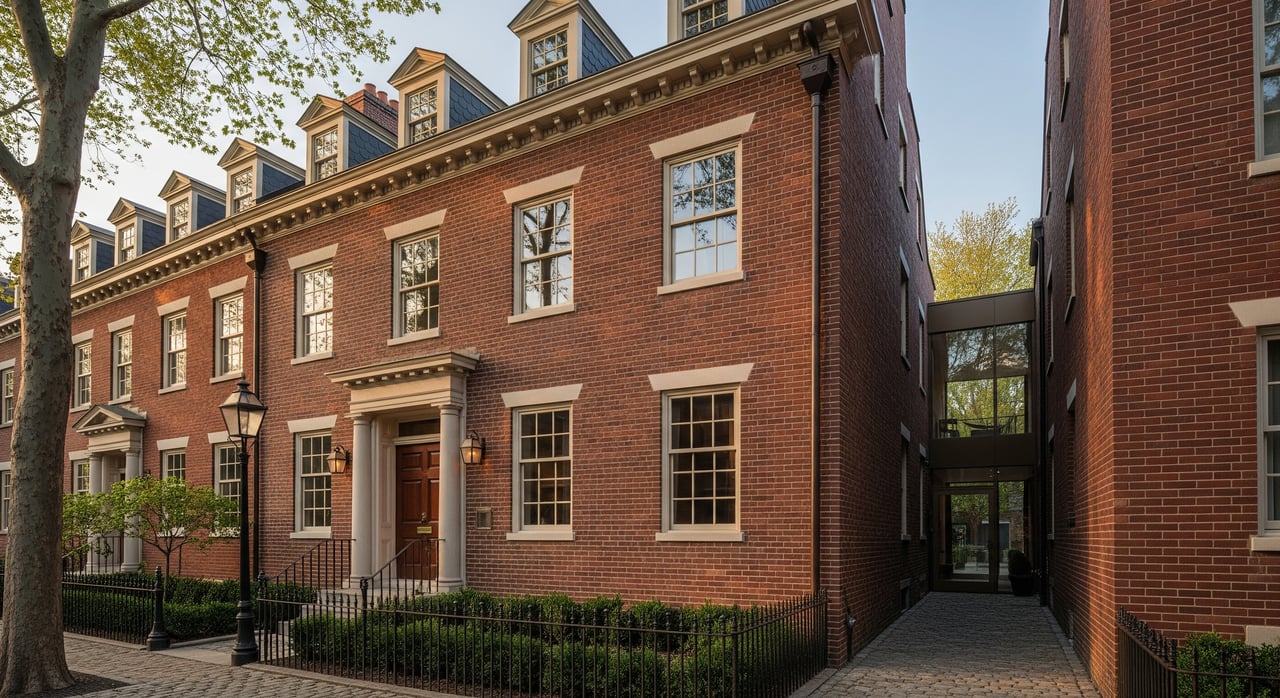
Ever fallen for a beautiful brick facade near Harvard Square and wondered how to update the inside without losing the charm? You are not alone. Renovating a historic Cambridge home takes extra planning, but the payoff is lasting character, comfort, and value. In this guide, you will learn how local rules work, what the Cambridge Historical Commission looks for, smart design choices, financing options, and a practical step-by-step plan. Let’s dive in.
What makes a home “historic” here
Harvard Square sits in Cambridge, a city with many 18th to early 20th century homes. Properties near Brattle Street, Cambridge Common, and surrounding streets often have historic significance and may fall within local historic districts.
There are three types of designations you should know:
- Local historic districts and city landmarks. These are administered by the Cambridge Historical Commission and usually require review for exterior changes visible from the public way.
- State listings in the Massachusetts inventory and MACRIS. These document history but do not by themselves control your project.
- National Register listings and districts. These are mainly honorific and can enable certain tax incentives for income-producing properties.
Local designation matters most because it triggers review and can shape your scope and timeline. For city contacts and permit basics, start with the City of Cambridge site. For state inventory research, use the Massachusetts Historical Commission. For national preservation standards and guidance, visit the National Park Service’s Technical Preservation Services.
Approvals and permits in Cambridge
When CHC review applies
If your home is in a local historic district, exterior changes visible from a public way typically require Cambridge Historical Commission review. This can include windows, siding, roofing, porches, additions, or demolition. The Commission may issue a Certificate of Appropriateness or similar approval.
Interior work that is not visible from the street often has a simpler path. Still, confirm your status early to avoid delays.
Building permits and zoning
Most renovation work requires building permits from Inspectional Services. Structural changes, MEP upgrades, roofing, and many interior projects need permits and inspections. If you plan an addition or a change in use, you may also need zoning relief from the Board of Zoning Appeal or Planning Board.
Demolition review
If your project includes demolition, expect a review period. Many communities, including Cambridge, use demolition-delay processes for historically significant buildings. Plan for public notice and potential hearings.
How long reviews take
Minor repairs can be quick. Larger exterior changes, additions, and demolition usually involve pre-application meetings, public hearings, and coordination with building permits. Timelines can stretch from several weeks to a few months for complex cases. The NPS Standards guide many decisions, so it helps to align your design with the Secretary of the Interior’s Standards.
Design choices that pass review
Preserve character-defining features
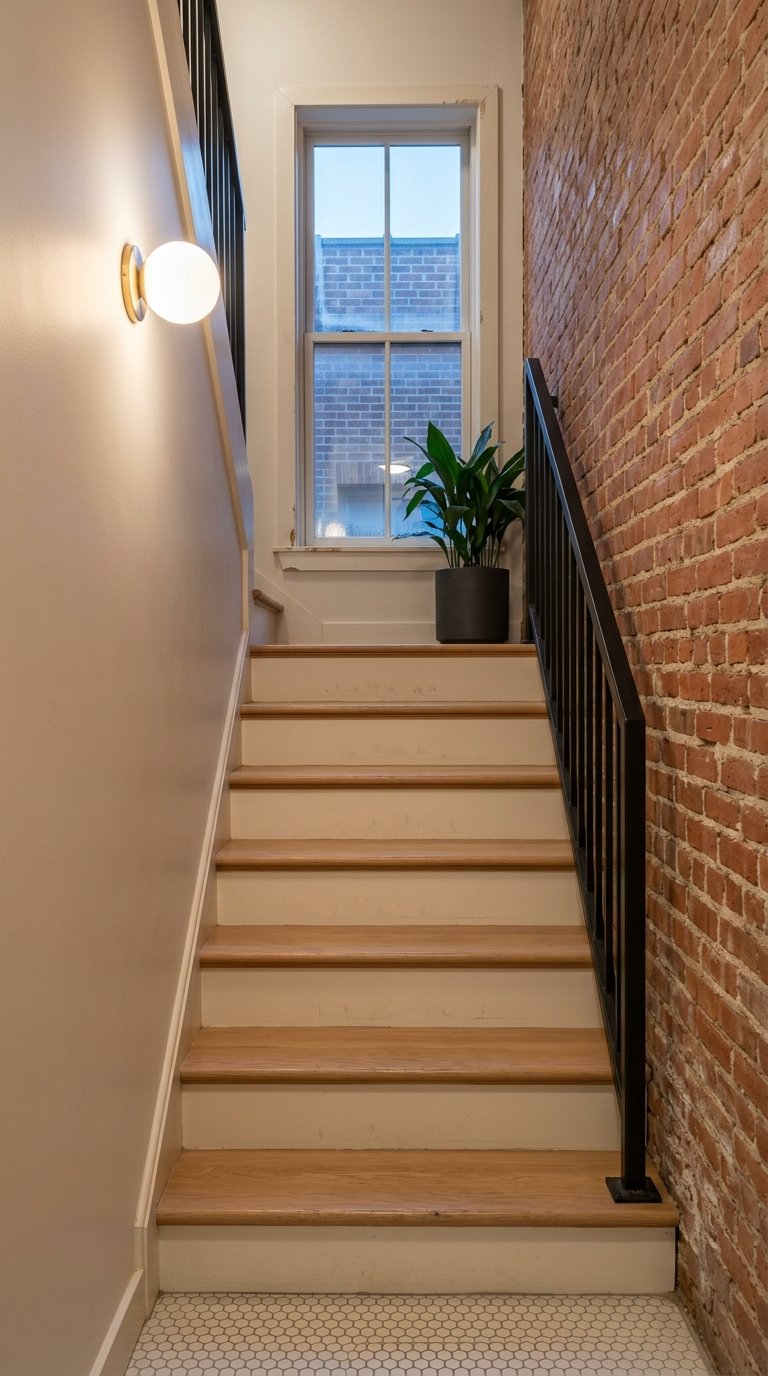
Aim to keep the elements that define your home’s look from the street. These include rooflines, cornices, porches, period window proportions, wood clapboard or shingles, masonry details, door surrounds, and decorative trim. Inside, original woodwork, staircases, plaster moldings, and flooring can be important to maintain as well.
A good rule of thumb: repair rather than replace when possible. Replacement that changes appearance is more likely to face pushback.
Windows and energy upgrades
Original windows can often be repaired and weatherized. Consider interior or exterior storm windows, improved weatherstripping, and targeted glazing retrofits. For broader efficiency gains, attic insulation, air sealing, and right-sized HVAC upgrades tend to be less invasive and more preservation-friendly.
Masonry, moisture, and foundations
Older Cambridge masonry can suffer from moisture, failing mortar, and compromised flashing. Use lime-based mortar compatible with historic brick. High-cement mixes can damage older brickwork. Always resolve moisture sources before finishing interiors.
Lead, asbestos, and safety
If your home was built before 1978, lead-based paint is likely. Any work that disturbs painted surfaces must follow the EPA’s Renovation, Repair and Painting Rule. Read more about safe practices under the EPA’s RRP program. Asbestos may be present in insulation, floor tiles, and mastics. Plan for testing and licensed abatement if materials will be disturbed.
Structural considerations
Older framing may need reinforcement for dormers, roof decks, or additions. Masonry chimneys often require evaluation. A structural engineer with historic-building experience can help you meet code while minimizing changes to historic fabric.
Budget, financing, and timelines
Incentives and when they apply
- Federal Historic Rehabilitation Tax Credit. A 20 percent credit may be available for certified rehabilitations of income-producing properties listed on the National Register. Owner-occupied single-family homes typically do not qualify. Learn more from the NPS tax incentives overview.
- State or local programs. Massachusetts and municipalities sometimes offer credits, grants, or property tax relief. Program details change, so check current options with the Massachusetts Historical Commission or city offices.
- Grants and non-profit resources. Organizations such as the National Trust for Historic Preservation and Preservation Massachusetts share technical resources and may list funding opportunities.
Renovation-friendly lending
- FHA 203(k) loans can combine purchase or refinance with rehab financing. See the HUD 203(k) program.
- Fannie Mae HomeStyle Renovation mortgages allow purchase or refinance plus renovation. Learn more at Fannie Mae’s HomeStyle page.
- Local lenders and state housing agencies, including MassHousing, often package rehab-friendly options.
Cost drivers and contingency planning
Historic projects involve specialty trades, custom materials, and potential hazardous-materials abatement. Hidden conditions like rot or foundation issues are common. Build a contingency of 10 to 25 percent or more into your construction budget and allow extra time for design review and unforeseen work.
Step-by-step plan to start right
Use this checklist to set your project up for success.
Early steps
- Confirm if your home is in a local historic district and whether it appears in state inventories. Begin with the City of Cambridge and the Massachusetts Historical Commission.
- Schedule a pre-application conversation with the Cambridge Historical Commission. Early input helps align design with expectations.
- Hire a preservation-savvy architect or contractor to scope the project and assess existing conditions.
Technical steps
- Test for lead and asbestos before demolition or sanding begins.
- Investigate moisture and structural concerns, especially in basements, masonry, and roof assemblies.
- Prepare drawings, material samples, and window details for CHC review when required.
Financial steps
- Evaluate financing options such as FHA 203(k), HomeStyle, or local lender renovation products.
- Check eligibility for incentives if your property is income-producing.
- Set your contingency budget and timeline buffer for reviews and hidden conditions.
When to bring in specialists
Historic homes often benefit from a deeper bench of experts. Consider:
- Preservation architect or architect experienced with historic rehab
- Structural engineer familiar with older framing and foundations
- Historic carpentry and restoration contractors
- Masonry specialists trained in historic mortar and brick repair
- Window restoration professionals
- Lead and asbestos testing and abatement firms
- Paint analysts for period-accurate finishes when desired
Resale, insurance, and value
Thoughtful, preservation-minded work typically protects or enhances value in historic neighborhoods. Keeping exterior character and retaining notable interior features helps your home fit the streetscape and appeal to future buyers. As systems are upgraded, revisit insurance coverage since historic features can affect replacement-cost estimates.
Ready to renovate near Harvard Square?
If you are planning a renovation as part of a purchase, a sale, or a long-term strategy, the right plan can save time and stress. Our team can help you understand local dynamics, connect you with reputable specialists, and position your project for market success when it is time to sell. Reach out to Moving Greater Boston to talk through your timeline and next steps.
FAQs
Do I need permission to replace windows in a Cambridge historic district?
- If the windows are visible from a public way, you will likely need Cambridge Historical Commission review; repair is preferred, and replacements that change appearance may be denied or require specific materials and profiles.
Can I add a dormer or a second story near Harvard Square?
- Additions are possible but typically require CHC design review and may require zoning relief; compatibility, visibility, rooflines, setbacks, and materials are key considerations.
Are there tax credits for renovating my owner-occupied historic home?
- Federal historic rehabilitation tax credits generally apply to income-producing properties; owner-occupied single-family homes typically do not qualify, so check for state or local programs that may fit your project.
How long does permitting take for exterior work?
- Simple interior permits can be quick, but exterior changes in a historic district usually involve pre-application steps, public hearings, and coordination with building permits, which can add weeks to months.
What should I do about lead paint or asbestos in an older home?
- Assume lead-based paint in pre-1978 homes and follow the EPA RRP Rule; test for asbestos and use licensed abatement firms if materials will be disturbed to keep your project compliant and safe.
Who should I hire first for a historic renovation in Cambridge?
- Start with a preservation-minded architect or experienced contractor and consult the CHC early; schedule lead and asbestos testing before demolition to avoid delays and change orders.