Dreaming of sun-washed brick walls, soaring ceilings, and a short walk to the water? Fort Point lofts deliver a one-of-a-kind look and an urban lifestyle that is hard to beat. If you are weighing a move, you probably want the full picture on layout trade-offs, condo fees, and what to watch for in older conversions. This guide breaks down the real pros and cons of loft living in Fort Point and gives you a practical checklist to buy or sell with confidence. Let’s dive in.
What counts as a Fort Point loft
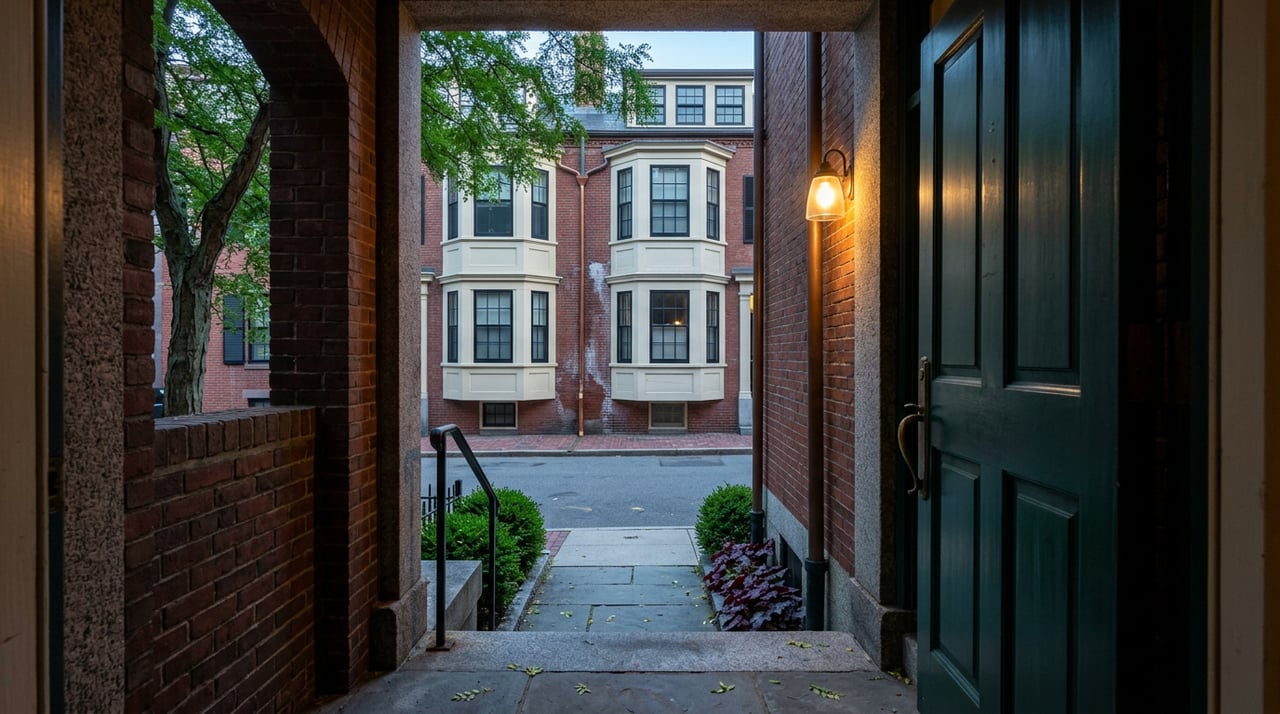
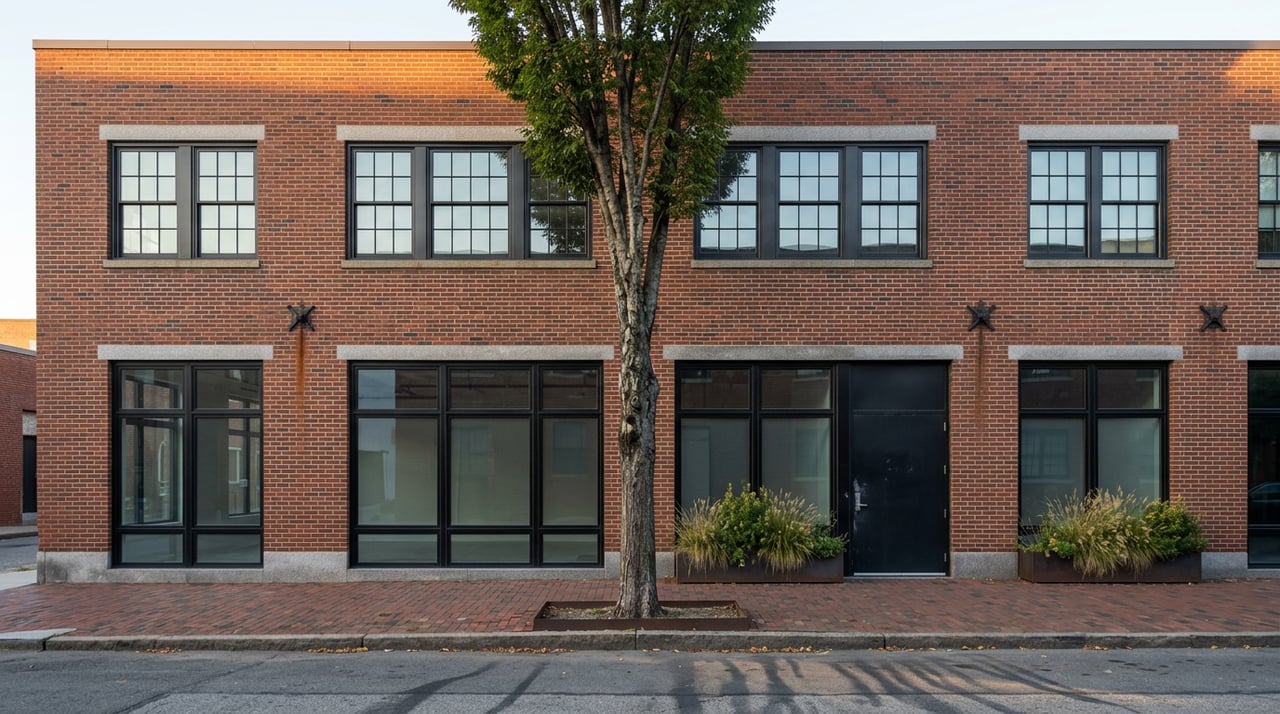
Fort Point offers a mix of true warehouse conversions and modern loft-style buildings. You will see exposed brick, heavy timber or steel columns, large factory-style windows, and open floor plans in many homes.
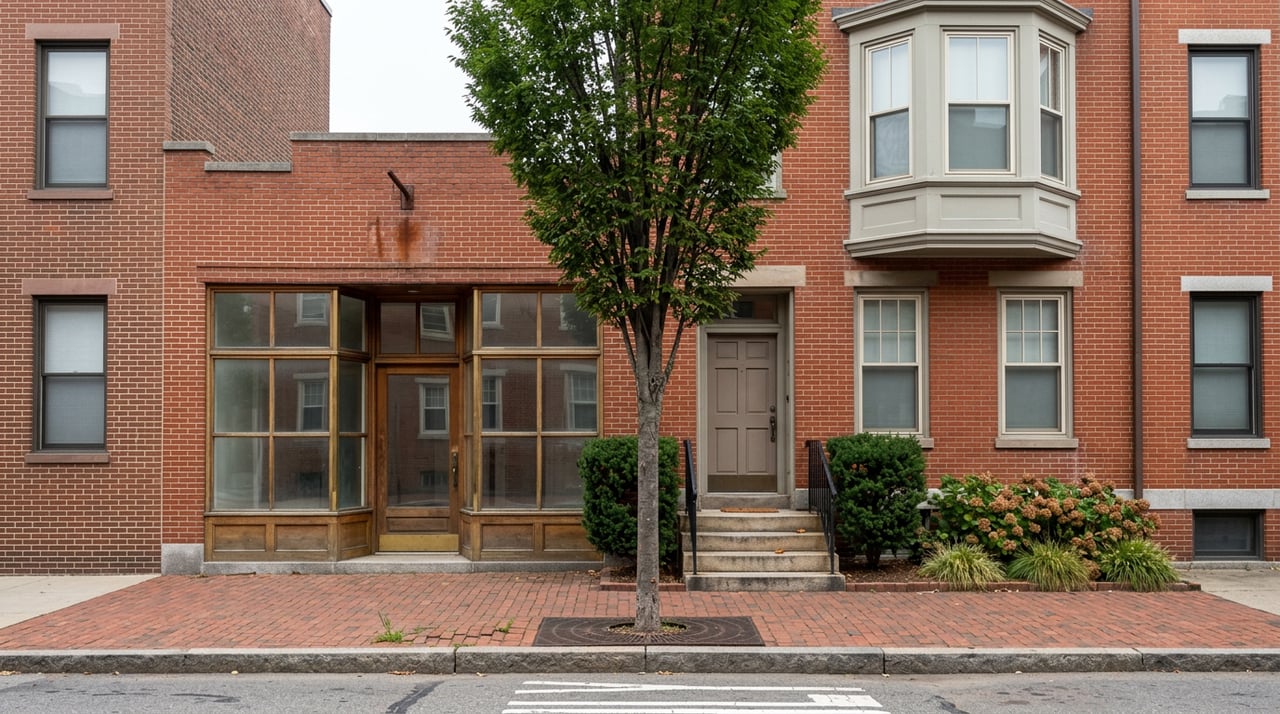
- True industrial conversions: Historic warehouses turned into condos with original architectural details, very high ceilings, and unique floor plans.
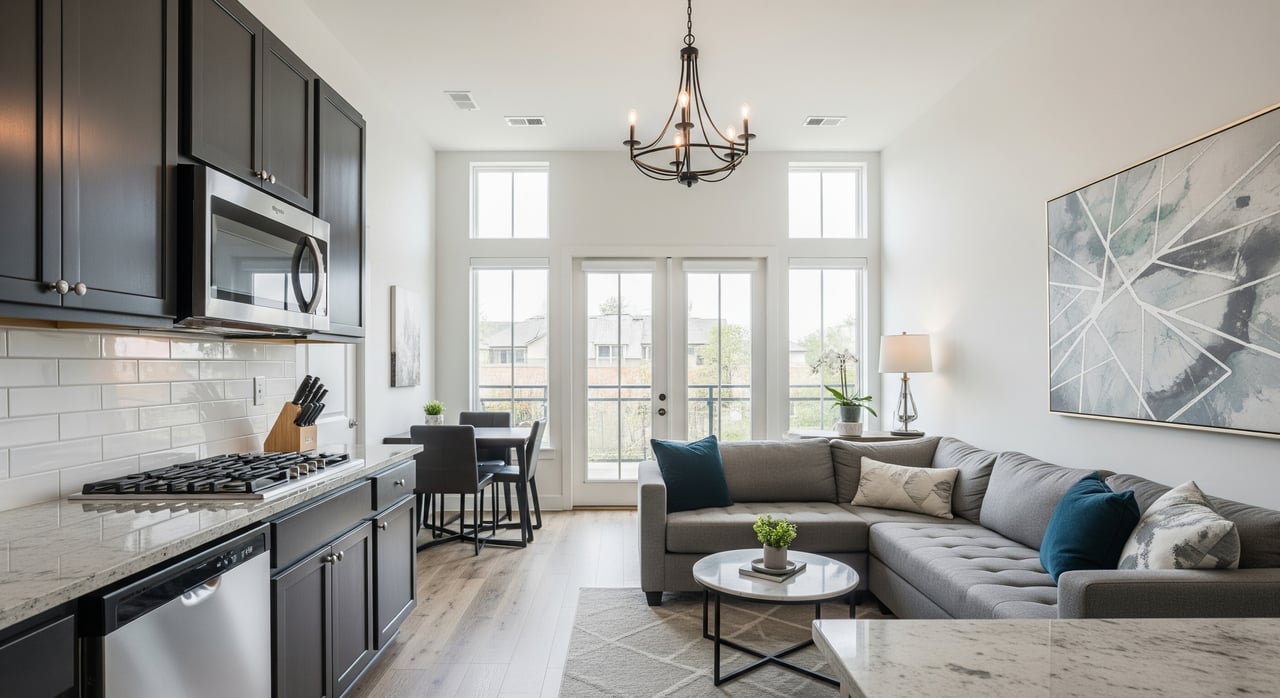
- Loft-style new construction: Modern buildings that mimic the look and feel of a loft but add newer systems and amenities.
- Boutique and mixed-use properties: Smaller buildings with varied maintenance profiles and more building-specific rules.
Many properties are within historic areas or subject to preservation review. Before you plan changes, confirm any restrictions with the Boston Landmarks Commission and your condo documents.
Pros of Fort Point loft living
Architectural character and space
- You get distinctive features like exposed brick, original beams, and oversized windows. The sense of volume and light stands out compared with typical condos.
- Open layouts are flexible for hosting, creative studio space, or a work-from-home zone.
Location and culture
- You are close to the Seaport’s dining and commercial scene, galleries, and the Institute of Contemporary Art.
- Many homes offer waterfront access or channel and skyline views.
- Commuting is convenient with short trips to downtown, South Station, MBTA buses, and nearby Silver Line and Red Line access depending on the address.
Lifestyle and market appeal
- Lofts attract buyers who want unique, architecturally interesting homes in an arts-oriented neighborhood.
- Open-concept living often shows well and can draw strong interest from professionals who value character and convenience.
Cons and trade-offs to consider
Price and inventory
- Fort Point is a high-demand area. True warehouse conversions are limited, which can lead to competition and premium pricing compared with more conventional condos.
Layout and privacy
- Many lofts have few interior walls and limited closet space. Sleeping areas may be semi-open, which can be a challenge if you want more defined rooms.
- Irregular layouts can affect resale if a future buyer prefers traditional bedroom counts.
Comfort systems and noise
- Older conversions may have less efficient insulation or aging HVAC systems, which can mean higher utility costs or upgrades.
- Sound can travel because of open plans and floor construction. Street or nightlife activity may add to ambient noise depending on the location and floor level.
Parking and mobility
- On-site parking may be scarce or come at a premium. Street parking and garages vary by block.
- The flip side is strong walkability, bike access, and transit nearby.
HOA fees, rules, and maintenance
- Condo fees can be higher in older buildings to maintain elevators, roofing, façades, and common systems.
- Special assessments are a known risk when major repairs or code updates are required.
- Historic or condominium rules can limit exterior changes and, in some buildings, certain interior alterations.
Financing and insurance
- Some older or nonstandard conversions may not meet FHA or VA guidelines. Lenders may require condo certification and stricter underwriting.
- Insurance for historic structures can cost more or require special coverage.
Buyer checklist: what to verify
A careful inspection and document review can protect you from surprises and help you price your offer.
Physical inspection priorities
- Roof, exterior masonry, and window condition, especially in brick warehouse façades.
- Structural elements, including beams and columns; check for moisture, leaks, mold, or water intrusion.
- HVAC, plumbing, and electrical systems with ages and service records; ask about insulation quality.
- Fire protection, including sprinklers, egress, and elevator condition and certifications.
- Sound transmission between floors and neighboring units; visit during busy hours if noise is a concern.
Documents to review
- Master deed, bylaws, recent meeting minutes, annual budget, reserve study, and financial statements.
- History of special assessments, building insurance coverage, and capital improvement plans.
- Rules for rentals, pets, and use restrictions; confirm any outstanding litigation.
- Historic designation status and any preservation easements that affect repairs or renovations.
Financing prep
- Get pre-approved early and confirm the building’s condo certification and eligibility for your loan type.
- Ask your lender about down payment requirements for older conversions or mixed-use buildings.
- Budget for HOA fees, potential assessments, and insurance specifics for historic structures.
Seller playbook: how to position your loft
Great marketing starts with what makes your loft special and follows through with clear answers to buyer questions.
Lead with character, solve for function
- Highlight exposed brick, ceiling height, original elements, and natural light.
- Define sleeping areas with tasteful partitions or built-ins to show privacy options.
- Add storage solutions and layered lighting to maximize comfort and usability.
Prepare documentation buyers want
- Share recent inspection reports and mechanical service records.
- Provide HOA financials, the latest reserve study, and a clear explanation of parking and storage.
- Clarify any historic or condo rules that impact renovations.
Smart fixes that pay off
- Seal windows, service HVAC, and address comfort or noise concerns where possible.
- Tidy masonry, update fixtures, and refresh paint to let the architecture stand out.
Is a Fort Point loft right for you?
If you value character, openness, and a walkable waterfront location, a Fort Point loft can be an inspiring place to live. If you need multiple enclosed bedrooms, low HOA fees, and abundant storage, you will want to focus on specific buildings or floor plans that fit those needs. With the right due diligence, you can capture the best of the neighborhood and avoid common pitfalls.
If you want local guidance on buildings, condo documents, and value, connect with the team at Moving Greater Boston for a clear plan to buy or sell with confidence.
FAQs
Are Fort Point lofts family-friendly for buyers who want enclosed bedrooms?
- Many lofts are open-concept with limited bedrooms, but some units offer defined sleeping areas or can be configured with partitions. Always confirm egress and building rules before adding walls.
How noisy are lofts in Fort Point compared with typical condos?
- Noise varies by building, floor, and location. Heavy timber can help horizontally, but thinner floors and open plans can amplify sound. Visit at peak times to test it.
What should I look for in HOA documents for a Fort Point loft purchase?
- Focus on the reserve study and balance, meeting minutes for planned projects, insurance coverage, rules on rentals and pets, and any history of special assessments or litigation.
Will I have trouble financing an older warehouse conversion in Fort Point?
- Most condos are financeable, but older or mixed-use buildings may not meet FHA or VA guidelines. Secure pre-approval early and have your lender review condo certification.
Do historic-preservation rules affect interior renovations in Fort Point lofts?
- Exterior changes are most often regulated. Some buildings may have interior guidelines. Confirm with the Boston Landmarks Commission and your condo documents before planning work.
How do condo fees in converted buildings compare with newer loft-style properties?
- Converted buildings sometimes have higher fees for older systems and façade upkeep, while newer buildings may have higher fees for amenities. Compare budget line items and reserves in each building.