If you are thinking about buying a condo in Boston’s North End, you are probably already weighing a tradeoff: less space for more location. That trade can be worth it, but only if you understand how this neighborhood’s pricing, building stock, condo rules, and daily logistics really work. This guide will help you know what to expect before you tour, offer, and close on a North End condo. Let’s dive in.
Why North End condos stand out
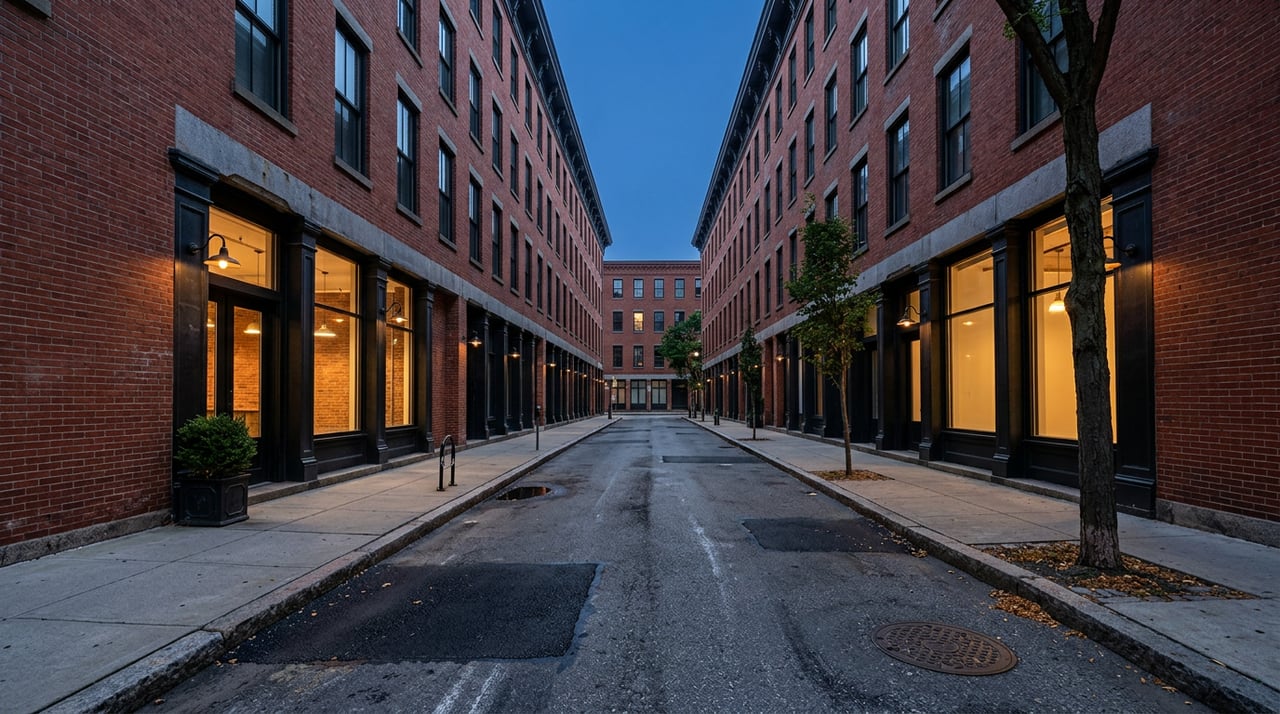
The North End is Boston’s oldest residential community, set in the city’s northeastern corner and bordered by the harbor on two sides. City planning materials describe it as a mostly residential neighborhood with historic brick apartment buildings, narrow streets, and a dense restaurant and café core. The Rose Kennedy Greenway also helped reconnect the area to the rest of Boston after years of highway separation.
For buyers, that creates a very specific condo experience. You are not usually shopping for large footprints or easy parking first. You are often shopping for character, walkability, and a location that puts you close to the waterfront and the energy of central Boston.
The housing mix supports that reality. According to Boston planning data, nearly half of North End housing units are studios or one-bedrooms, while a little more than a third are two-bedrooms. That means many buyers need to be realistic about space from the start and focus on layout, storage, and day-to-day function.
What kind of buyer the North End attracts
The North End tends to attract residents who want an urban lifestyle. Boston planning data shows that 56% of residents are between ages 18 and 34, and 80.4% of residents age 25 and older hold a bachelor’s degree or higher. The same profile reports that 74.3% of housing units are renter-occupied.
That does not tell you who should or should not buy there. It does suggest that the area appeals to people who value location, convenience, and a highly walkable routine. If that sounds like you, the North End may be a strong fit, especially if you are comfortable prioritizing neighborhood access over square footage.
North End condo prices in context
North End condos sit in Boston’s premium urban market, but they are not always at the very top of the price ladder. A spring 2026 Boston condo market report placed the North End’s median condo sale price at $893,750 across 12 sales, with a median of 41 days on market. In that same report, Back Bay, South End, Beacon Hill, and Waterfront all posted higher median condo prices, while West End was lower and Charlestown was slightly higher.
That context matters when you build your budget. A North End condo can still require a serious investment, but you may find it offers a different value equation than some nearby central Boston neighborhoods. In simple terms, you are still buying premium urban inventory, just in a more compact, neighborhood-scale setting.
A broader North End market snapshot from the period ending May 2026 showed a median sale price of $1.2 million across home sales generally, up 20% year over year. Since that figure is not condo-only, it works best as a sign of overall price pressure rather than a direct condo benchmark. The bigger takeaway is that demand appears resilient in this part of Boston.
What to expect from the housing stock
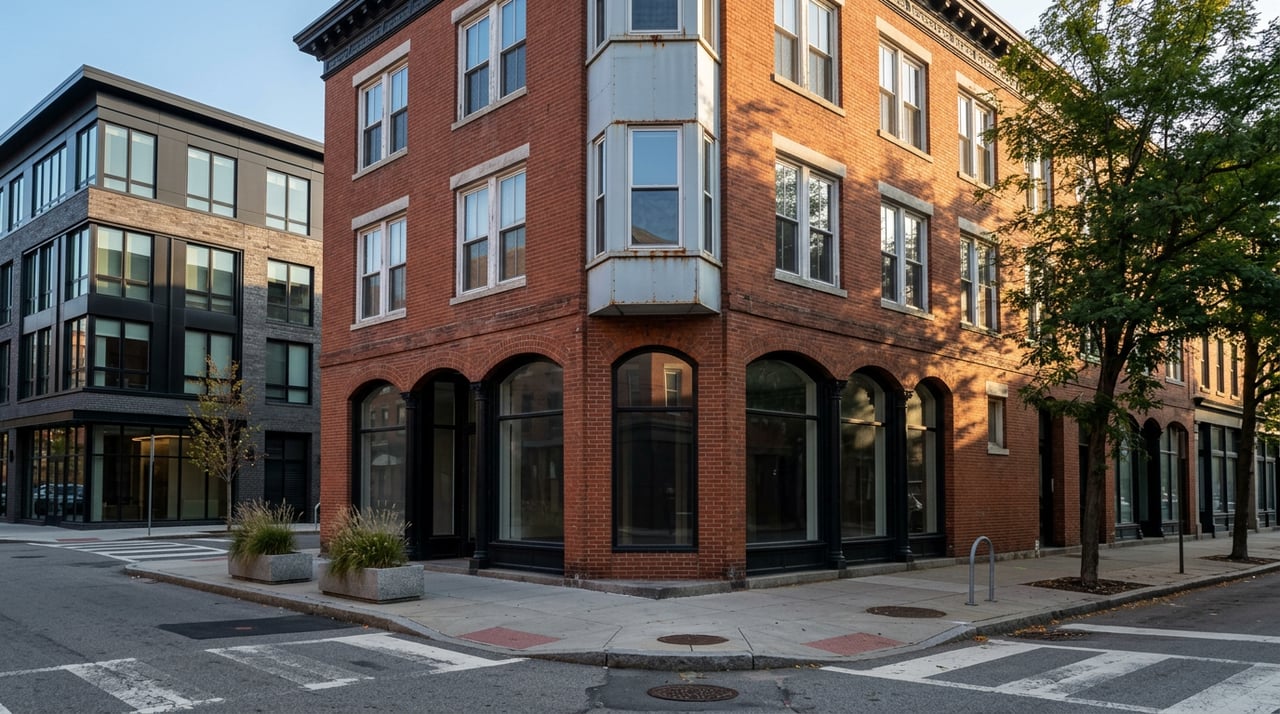
Many North End condos are in older buildings, and that shapes your search. Historic brick structures and smaller associations can be part of the neighborhood’s appeal, but they can also mean more building-specific questions. A beautiful unit does not tell the full story if you do not also understand the condition and governance of the building around it.
This is where buyers need to slow down and look beyond finishes. A renovated kitchen is nice, but the real questions may involve roof responsibility, common-area maintenance, reserve funding, and how repairs get approved and paid for. In a neighborhood with older building stock, those details can affect your costs and comfort quickly.
Why condo documents matter so much
In Massachusetts, condo ownership is governed privately through documents like the master deed, unit deed, declaration of trust or bylaws, rules and regulations, amendments, and Chapter 183A. Mass.gov explains that the master deed identifies the land, common areas, limited common elements, percentage interest, restrictions, and the managing entity. The bylaws typically address maintenance, repairs, insurance, meetings, voting rights, common expenses, and reserve funds.
That means condo document review is not just a formality. It is one of the most important parts of buying in the North End. Before you make a strong offer or consider waiving contingencies, you want a clear picture of how the association operates and whether the building’s rules fit your plans.
Massachusetts closing guidance also highlights key records buyers should expect to review, including:
- Master deed
- Bylaws
- Rules and regulations
- Master insurance
- Minutes from recent meetings
- Budget
- Reserve fund information
- Final walkthrough details
These records can help you spot issues early. For example, meeting minutes may reveal upcoming repairs, while the budget and reserve information can show whether the association appears prepared for ongoing maintenance.
Questions to ask before making an offer
A North End condo purchase often moves faster when you know what to ask up front. The goal is not to create fear. It is to avoid surprises after your offer is accepted.
Here are some smart questions to raise early:
- What is the monthly condo fee, and what does it cover?
- How much money is in reserves?
- Have there been recent special assessments or discussion of new ones?
- Are there any planned capital projects?
- How many units are in the association?
- Are there restrictions on rentals, pets, or renovations?
- What do recent meeting minutes show?
- Is parking included, rented, or unavailable?
In the North End, small associations and older buildings can make these questions even more important. A low condo fee may look attractive at first, but if reserves are limited, that can mean higher financial pressure later if repairs come up.
Historic review can affect renovations
If you are buying with renovation plans in mind, the North End requires extra care. Boston’s Landmarks Commission and historic district commissions work to preserve the city’s built heritage. The city reported 933 design-review applications across historic commissions in 2025, with about 85% approved.
For you, the practical takeaway is simple: visible exterior changes may require another layer of review. That can include façade work, windows, or other exterior alterations if the building is protected or located within a historic district. If your purchase depends on making specific changes, check that before waiving contingencies.
This does not mean improvements are impossible. It means your renovation timeline and approval path may be different from what you would expect in a newer building or less historically sensitive area.
Parking is a real buying factor
Parking can have a major impact on your daily life in the North End. Boston’s resident parking program is neighborhood-specific, free, and tied to your vehicle registration and principal garage address. The city asks new residents to apply within 10 days of moving, and online approvals generally take about 10 business days.
If you drive regularly, parking should be part of your property comparison, not an afterthought. A condo with deeded parking, nearby rental parking, or no parking at all may feel very different once you are living there. For some buyers, that difference can matter almost as much as the unit itself.
It is also worth thinking practically about guests, grocery runs, move-in logistics, and winter routines. In a neighborhood that is both residential and heavily visited, parking convenience can shape your experience more than you expect.
What daily life feels like
The North End is one of Boston’s most visited neighborhoods and a center of Italian-American community life, according to the city. The area includes waterfront recreation spaces, Mirabella Pool, Old North Church, the Paul Revere House, and Copp’s Hill Burying Ground. Combined with its restaurant and café density, the neighborhood offers a lifestyle that is hard to duplicate elsewhere in Boston.
This helps explain why so many buyers accept smaller homes and more logistical tradeoffs. If you want a walkable routine where dining, waterfront access, and historic city texture are part of everyday life, the North End can deliver that in a very distinct way. For the right buyer, that experience is the value.
How to prepare a competitive offer
North End inventory appears relatively tight. In the spring 2026 condo sample, there were only 12 reported sales, which supports the idea that available units can be limited. When a well-located condo hits the market, buyers often need to act decisively.
A practical preparation plan usually includes:
- Get fully pre-approved before you start offering
- Review condo documents as early as possible
- Leave time for association questions
- Check whether historic-review issues could affect your plans
- Decide in advance how you will weigh parking, fees, and building condition
The point is not to rush blindly. It is to be ready so you can move quickly with confidence. In the North End, that balance matters because desirable units can attract attention fast, while older buildings can require more careful review than buyers expect.
What to keep top of mind
Buying a condo in Boston’s North End is usually about more than the unit itself. You are buying into a particular building, a specific set of condo rules, and a neighborhood lifestyle that comes with clear benefits and tradeoffs. The best purchase decisions here tend to come from buyers who understand all three.
If you go in prepared, the North End can be a rewarding place to own. Clear budgeting, early document review, and realistic expectations around space, parking, and building management can help you avoid surprises and compete more effectively when the right condo appears.
If you are considering a North End condo and want neighborhood-level guidance on pricing, building fit, and offer strategy, Moving Greater Boston can help you navigate the process with clarity and speed.
FAQs
What should you review before buying a North End condo?
- You should review the master deed, bylaws, rules and regulations, master insurance, recent meeting minutes, budget, reserve fund information, and walkthrough details.
How expensive are condos in Boston’s North End?
- A spring 2026 market report put the North End’s median condo sale price at $893,750, which positions it as premium urban inventory but not the highest-priced condo area in central Boston.
Why are many North End condos smaller?
- Boston planning data shows that the housing stock is weighted toward studios, one-bedrooms, and two-bedrooms, which reflects the neighborhood’s dense, historic residential pattern.
Does parking matter when buying a condo in the North End?
- Yes. Because resident parking is neighborhood-specific and parking can be limited, you should treat parking availability as an important property feature when comparing condos.
Can renovation plans be affected in the North End?
- Yes. If a building is protected or located within a historic district, exterior changes such as windows or façade work may require additional city review and approval.